Cost & Pricing
Conservation and Marine Park Fees for Yachts in Indonesia
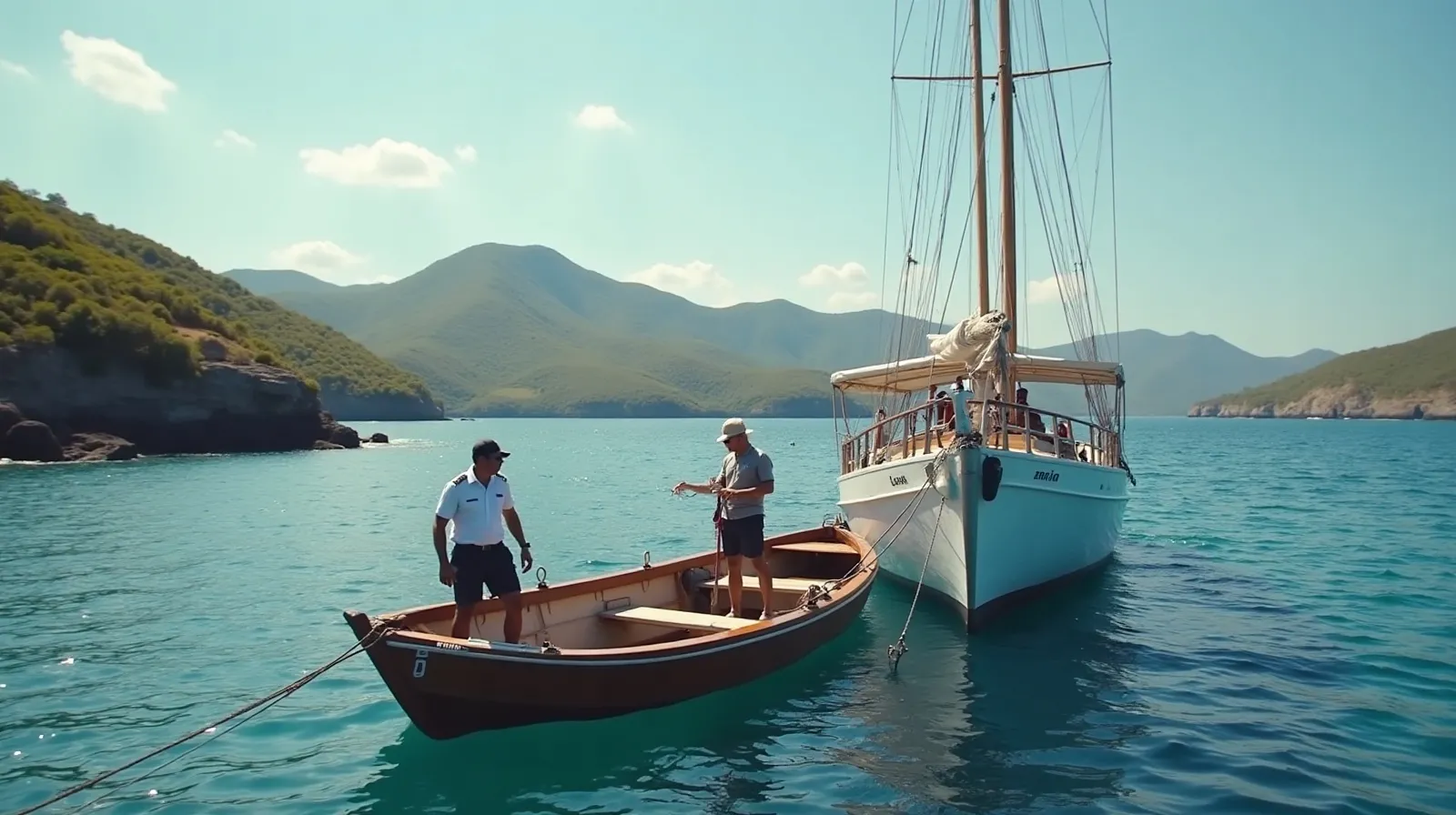
Marine park and conservation fees are a real line on every Indonesian charter budget — modest beside the charter rate, meaningful in what they fund, and confusing only because each park runs its own system. This guide gives working bands for the three fee systems charter guests actually meet, explains who collects what, and shows how the money flows through your APA. Exact tariffs adjust periodically; treat bands as planning figures and let the operator confirm current rates, as the cost page recommends for every consumable line.
The three fee systems, in bands
| Park | Structure | Planning band (USD) |
|---|---|---|
| Komodo National Park | Per guest per day + vessel, activity and landing components | ~25–40 /guest/day |
| Raja Ampat | Per guest environmental tariff (annual validity) + vessel fees | ~65–100 /guest one-off band |
| Wakatobi | Per guest per day park fee | ~15–20 /guest/day |
Smaller systems exist elsewhere — village-managed reef fees in the Togeans, sasi-related contributions in Maluku, dive-site fees at specific islands — usually a few dollars, handled by crew as they arise.
Who collects, and when
Komodo’s fees are paid to park authorities at Labuan Bajo before or on entry — operators bundle them into pre-departure paperwork alongside the SPB port clearance. Raja Ampat’s environmental tariff is issued as a personal tag (validity spanning the season) purchased through official channels at Sorong or Waisai; ranger patrols check tags at the marquee sites. Wakatobi collects at park posts. In every system, the operator advances the payment and the crew keeps receipts — guests never queue at a ranger station unless they want the photograph.
What the money does
These are working conservation budgets, not gestures. Komodo’s fees fund ranger patrols and the dragon-population monitoring that keeps the park’s core intact; Raja Ampat’s tariff system famously finances the patrol network that turned Misool’s sasi waters into the fish-biomass benchmark of the Coral Triangle — visible on every dive there, as described in the Misool route notes. Yacht guests are, per head, among the parks’ most efficient funders: high fee yield, low footprint, no shore infrastructure demanded.
Budgeting them inside the APA
Park fees flow through the Advance Provisioning Allowance at cost, receipts retained — the standard mechanics covered in the APA guide. Planning arithmetic for a party of eight: a 7-day Komodo charter accrues roughly USD 1,400–2,200 in park components; a Raja Ampat season entry lands around USD 520–800 for the party’s tags plus vessel fees; Wakatobi weeks add USD 850–1,100. On expedition routes crossing multiple systems, ask the operator for the fee line as its own estimate — professionals produce it instantly, and the number is never the one that should worry you on an Indonesian charter budget.
Beyond the parks: the wider conservation economy
The gazetted parks are only the visible layer of what charter fees support. Across Maluku and Papua, sasi — customary closure — manages reefs the state never mapped, and the modest village fees a crew pays for anchorage or access are that system’s revenue line. Community-based marine protected areas now ring much of eastern Indonesia, many patrol-funded by tourism partnerships; the bagan whale-shark economies of Cenderawasih and Triton Bay convert encounter fees directly into village income that makes the sharks worth more alive than any alternative. Turtle programmes from Anambas to the Kei Islands run on the same logic. A well-run charter threads this economy deliberately: fees paid promptly and receipted, purchases made in the villages whose waters host the anchorage, and crews who treat local rangers as colleagues — the operational meaning of the phrase “conservation-positive charter.”
For guests who want to go beyond compliance, the honest options are simple: choose operators who document their fee payments and community relationships, add the voluntary contributions many parks offer at their posts, and treat wildlife rules — distances, no-touch, snorkel-only zones — as the product’s terms rather than its tax. The archipelago’s reefs are the charter industry’s entire capital; the fee system is simply the industry funding its own future.
Practical notes on fees and conduct
- Budget line: ask for the fee estimate per route at quote stage — professionals produce it instantly.
- Documentation: fees ride the APA at cost with receipts; Raja Ampat tags are personal and checkable.
- Village fees: small, legitimate, receipted through the crew — distinct from handouts.
- Rules that recur: no-anchor zones at marquee sites, snorkel-only wildlife encounters, drone permits inside parks.
- Voluntary layer: park posts and community projects accept contributions; crews know which are real.
- The test of an operator: whether their crews are greeted by name at the ranger stations.
Seen whole, the fee system is the best bargain on the invoice: a few percent of the budget keeping the ninety-eight percent worth sailing to.
Quick answers
How much are Komodo park fees for yacht guests?
Budget roughly USD 25–40 per guest per day including vessel, activity and landing components — operators pay park authorities at Labuan Bajo and pass the cost through the APA at documented rates.
Do Raja Ampat fees work differently?
Yes — a per-guest environmental tariff issued as a personal tag with season-long validity (band USD 65–100), plus vessel fees, checked by ranger patrols at the main sites.
Are marine park fees included in charter rates?
Usually not in the base rate: they flow through the APA at cost with receipts, or inside genuinely all-inclusive quotes. Ask for the fee line as its own estimate on multi-park routes.
Related briefs
Continue with All-Inclusive Yacht Charters in Indonesia and The Advance Provisioning Allowance on Indonesian Charters.
Ready to turn this into a real itinerary? Message the Indonesia Yacht Charter desk on WhatsApp +62 811-3941-4563 or email [email protected] for routes, vessels and honest USD quotes within 48 hours.
Chart your Indonesian passage
Tell us your dates, group and the water you want under the keel. The desk replies on WhatsApp with routes, vessels and an honest USD quote.