
Cost & Pricing
APA Explained: The Advance Provisioning Allowance on Indonesian Charters
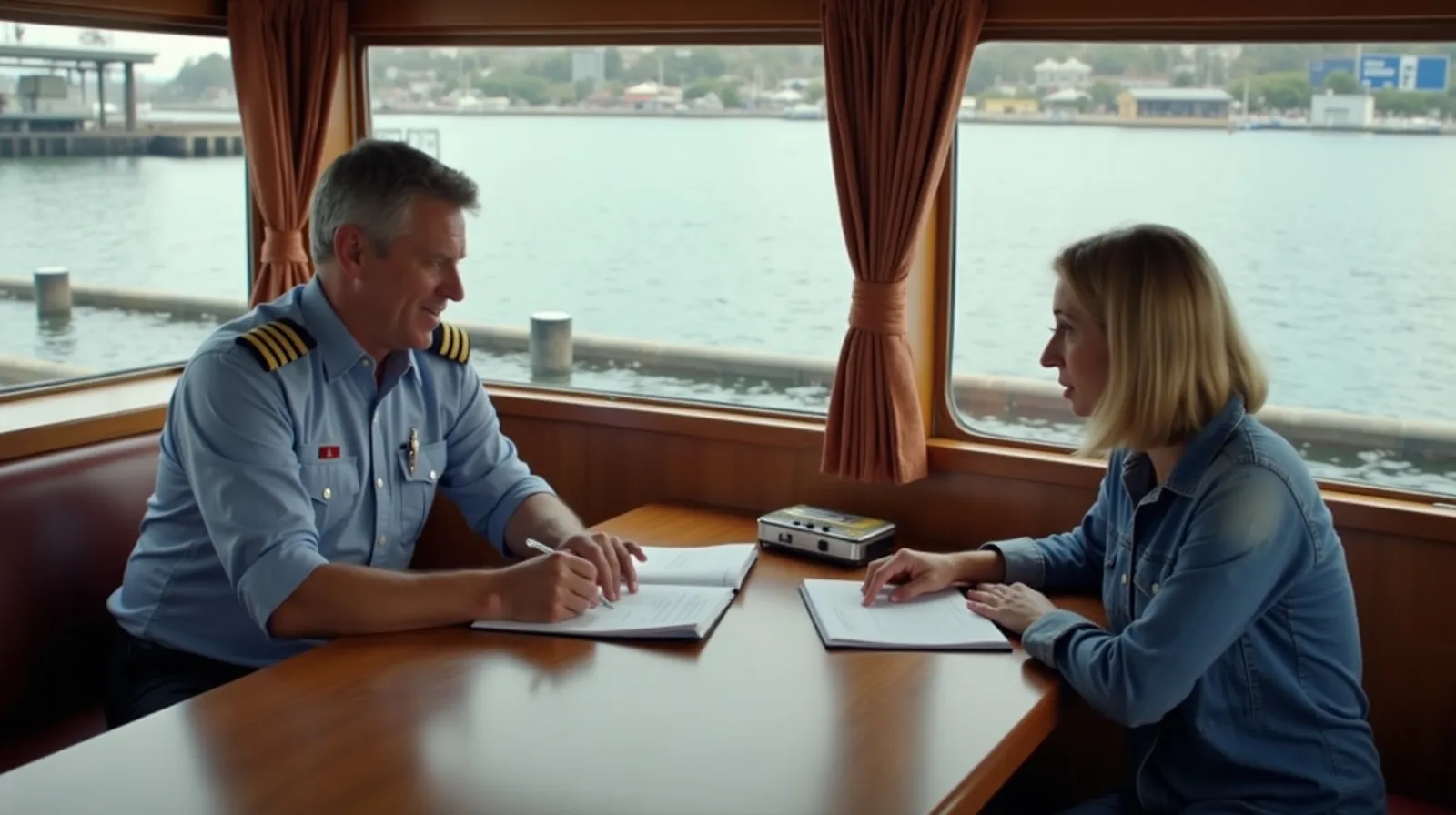
The Advance Provisioning Allowance — APA — is the fund that runs your charter: a deposit of typically 25–35% of the base rate, paid before boarding, from which the captain pays fuel, provisioning, park fees and incidentals at cost, with an itemised reconciliation at the end. It is international yachting’s standard mechanism, and on Indonesian routes it does more work than almost anywhere because of distance and remoteness — which is why it deserves five minutes of understanding before you wire it. The wider pricing context sits on the Indonesia charter cost tables.
Why 25–35% here
Mediterranean APAs run 20–30%; Indonesia trends higher for three structural reasons. Fuel distances: legs between fuel docks can exceed 400 nm, and drum fuel at frontier stops carries handling margins. Park economics: Komodo and Raja Ampat charge meaningful per-guest, per-day fees that flow through the APA. Provisioning logistics: east of Bali, quality provisioning means hub loading and speedboat top-ups, both of which cost real money. A Komodo week might reconcile at 25%; a Banda Sea expedition legitimately reaches 35% or more.
What gets billed through the APA
| Category | Typical share | Notes |
|---|---|---|
| Fuel (main, generators, tenders) | 35–50% | The big line; scales with route |
| Provisioning & galley | 25–35% | To your preference sheet |
| Park, landing & clearance fees | 10–20% | At cost, receipts kept |
| Berthing, agents, incidentals | 5–15% | Ports, guides, village fees |
Not in the APA: the base rate itself, crew wages, vessel insurance, and crew gratuity — those live elsewhere in the deal. Premium alcohol and special requests ride the APA by agreement.
Reconciliation: how honest operators close it
Within days of disembarkation you receive the ledger: every fuel receipt, market invoice and park permit against the advance, with the balance refunded (or the shortfall billed — rare on well-estimated routes). Two practices mark a professional operation: mid-charter updates on request, so the fund never surprises you, and receipts retained for inspection. If a quote treats the APA as a flat non-accountable surcharge, it is not an APA — it is margin wearing the wrong name, and worth questioning before signature per the charter agreement checklist.
Keeping control of it
Three habits keep the APA where you expect. Fix the route before departure — mid-trip extensions are wonderful and fuel-expensive, so decide them knowingly. Set the provisioning tier explicitly on the preference sheet (local-market menu vs imported produce changes the line by half). And ask the captain for a running position at mid-charter — thirty seconds of transparency that every good crew provides happily. Treated this way, the APA is not a hidden cost; it is the most honest money on the trip, spent visibly on exactly what you consumed.
A worked reconciliation: the numbers in practice
Concrete beats abstract, so here is a representative reconciliation for a 7-day whole-boat Komodo charter at USD 5,000 per day — base rate USD 35,000, APA advanced at 30%: USD 10,500. The closing ledger might read: fuel and generator diesel USD 4,100 (the park loop plus hotel loads); provisioning USD 2,650 against the preference sheet, receipts from Bali importers and the Labuan Bajo market; park, ranger and landing fees USD 1,680 for eight guests; agent, berthing and clearance costs USD 420; premium beverages requested mid-trip USD 510. Total spent: USD 9,360; refunded at reconciliation: USD 1,140. Every line arrives receipted, and the whole file lands in your inbox within days of disembarkation. An expedition route shifts the shape — fuel can double, provisioning rises with remoteness — which is why the same vessel quotes a higher APA percentage for the Banda Sea than for Komodo.
The reconciliation is also where operator quality becomes visible in hindsight: rounded numbers without receipts, fuel billed at undisclosed rates, or a refund that requires chasing are all signals for next season’s booking decision. The professional file — itemised, receipted, prompt — is so standard among good operators that anything less is information.
Practical APA checklist
- Confirm the percentage and what triggers a top-up request mid-charter (rare, but the terms should exist).
- Ask for the APA estimate itemised by category for your exact route before signing.
- Set the provisioning tier on the preference sheet — it is the second-largest line and entirely yours to shape.
- Request the mid-charter position once, casually; the speed of the answer tells you everything.
- Expect the closing file within a week; refunds should move without reminders.
- Keep gratuity outside the APA entirely — it is a separate, personal transaction with the crew.
Understood this way, the APA is the trip’s most honest money — the visible cost of exactly what your charter consumed, in a country where the consuming is half the adventure.
Quick answers
How much is the APA on an Indonesian yacht charter?
Typically 25–35% of the base charter rate — higher than Mediterranean norms because of fuel distances, park fees and remote provisioning. Expedition routes sit at the top of the band.
What does the APA pay for?
Fuel for main engines, generators and tenders; provisioning to your preference sheet; park, landing and clearance fees; and incidentals like agents or village fees — all at cost with receipts.
Do you get unused APA money back?
Yes — reconciliation within days of disembarkation refunds any balance, itemised line by line. A flat non-refundable ‘APA’ is a mispriced surcharge, not a real APA.
Related briefs
Continue with Conservation and Marine Park Fees for Yachts in Indonesia guide and What’s Really Covered.
Planning a charter around this? Message the Indonesia Yacht Charter desk on WhatsApp +62 811-3941-4563 or email [email protected] for routes, vessels and honest USD quotes within 48 hours.

Chart your Indonesian passage
Tell us your dates, group and the water you want under the keel. The desk replies on WhatsApp with routes, vessels and an honest USD quote.