Boat Types
Dive Liveaboard Yachts in Indonesia: Whole-Boat Charters for Dive Groups
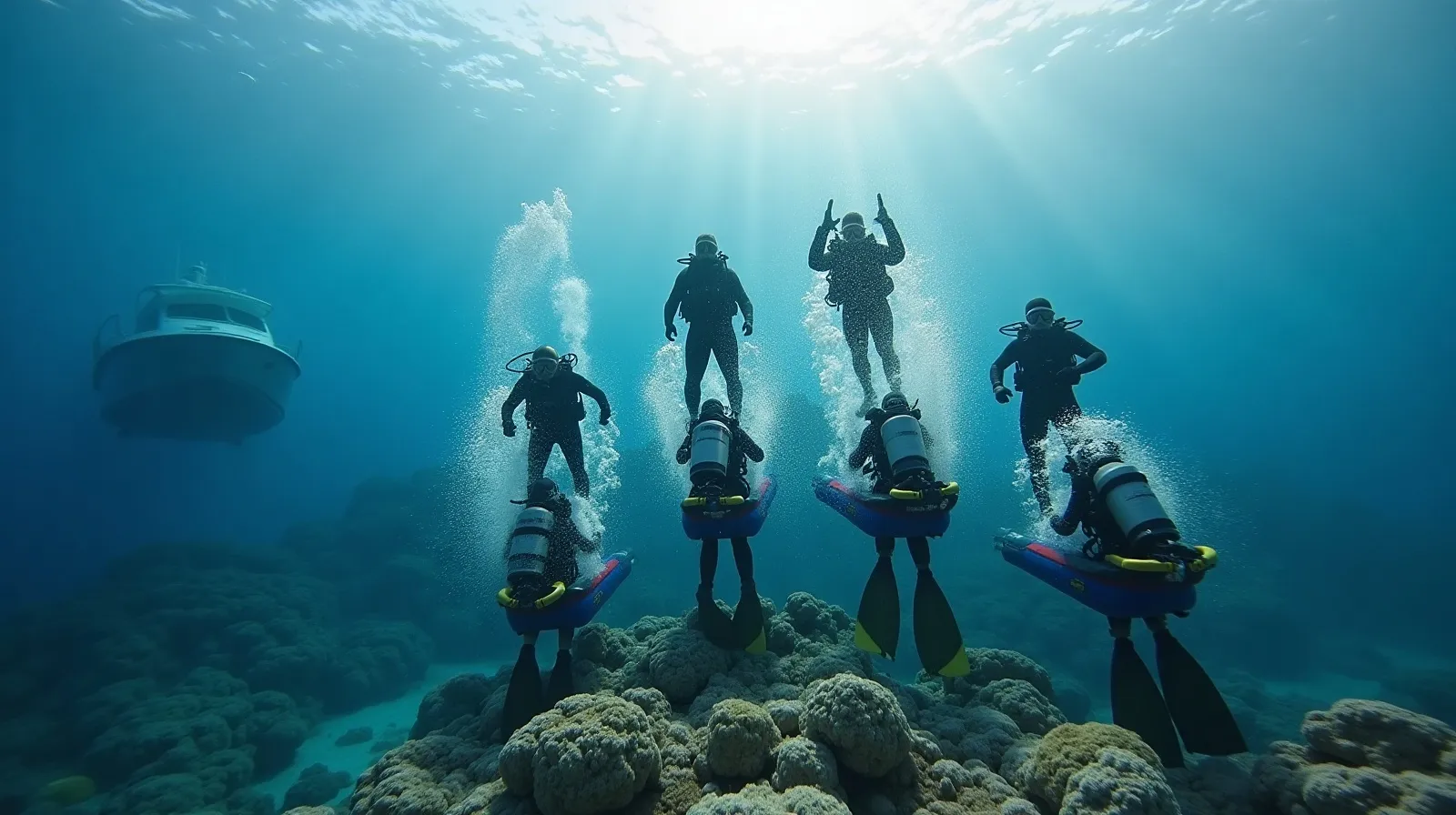
For a dive group — a club trip, a gathering of certified friends, a photography workshop — chartering the whole dive liveaboard beats booking cabins on someone else’s schedule: the route, the pace and the dive plan become yours. Indonesia’s whole-boat dive market is deep and professional, and this guide covers the logistics that make group trips work, alongside the class landscape of the boat types comparison notes.
The logistics that define a dive boat
| System | Group-charter standard | Ask about |
|---|---|---|
| Tanks & compressor | 2+ tanks/diver, marine compressors, nitrox on premium boats | Nitrox capacity for the whole group |
| Dive deck | Individual gear stations, rinse tanks, camera table | Camera-room power and space |
| Tenders | 2+ dedicated dive tenders with ladders | Divers-per-tender ratio |
| Crew | Divemasters at 4–6:1, dedicated tender drivers | Guide flexibility for buddy-team diving |
| Safety | O2 kits, DAN-aligned protocols, evacuation plan | Nearest chamber per route leg |
A whole-boat group can negotiate what cabin guests cannot: experienced buddy teams diving with lighter supervision, tanks turned to your surface-interval preference, and night dives on demand rather than schedule.
Routes by season: where groups point the bow
Komodo (April–November) remains the bankable group route — current-swept marquee sites with short hops between. Wakatobi rewards groups March–June and September–November with wall diving and atoll shelter; the full circuit is drawn in the Wakatobi route guide. The Banda Sea windows (September–December, March–April) suit advanced groups chasing hammerheads and open-water seamounts. For Raja Ampat itineraries — the archipelago’s dive summit — group charters typically stage from Sorong in the October–April window; our Raja Ampat gateway hub points the way to the region’s specialist coverage.
The group-charter arithmetic
Whole-boat dive charters run USD 3,000–12,000 per day by tier and size — so ten divers on a USD 5,000/day boat pay USD 500 per head per day, in the same band as premium cabin bookings but with the schedule owned. The arithmetic favours whole-boat from six to eight committed divers, decisively so when the group wants a non-standard route. Park fees, nitrox and rental gear ride the APA per the park fees guide; one habit worth copying from professional groups is booking the boat a season ahead and filling the last berths later.
Mixed groups and non-divers
The quiet advantage of whole-boat charter: it accommodates the real shape of most groups — ten divers, three snorkellers, one reader. Dive boats with genuine topside programmes (kayaks, island walks, village mornings) keep everyone’s trip first-class, and routes like Komodo and Wakatobi serve both audiences in the same anchorage. State the group’s true mix when enquiring; matching boat culture to group culture is the last 10% that separates a good dive trip from the one the club still talks about.
Designing the group’s dive week
With the whole boat comes the whole design space, and experienced group leaders use it deliberately. Route architecture first: a Komodo week for mixed experience runs north-heavy with southern raids when conditions open; an advanced group inverts it and pays the south’s currents for its rewards. Daily rhythm second: three dives with long intervals suits photographers and older groups; four-plus suits count-chasers — set the tempo at booking so the crew provisions and staffs for it. Skills mix third: whole-boat charters absorb mixed certifications gracefully (two guide teams, split sites) but only if declared honestly in advance. And the surface programme: the best group weeks alternate marquee diving with one village morning, one ridge walk, one lazy lagoon afternoon — pacing that keeps a seven-day trip from becoming an endurance event and gives non-diving partners a first-class week rather than a tolerance test.
Group leadership has one more quiet job: the money design. Collect against the whole-boat rate with a per-head buffer for the APA and park fees, settle gratuity as one pooled envelope, and agree the premium-extras policy (nitrox, rental gear, the bar) before boarding rather than after. Groups that sort the finances ashore spend their week talking about diving instead.
Practical notes for group organisers
- Book the boat a season ahead; fill final berths later — holds against deposits are standard.
- Manifest early: certifications, insurance, gear sizes, dietaries — one spreadsheet saves ten emails.
- Set the dive tempo and site wish-list at booking; confirm the guide ratio in writing.
- Nitrox for the whole group changes fills logistics — confirm compressor capacity.
- Weather clause: agree how lost dive days are handled (alternate sites, not refunds, is the honest norm).
- Fly-buffer: 24 hours no-fly after the last dive, built into everyone’s tickets.
Run this way, a whole-boat dive charter is the format at its best: the archipelago’s marquee water, dived on your group’s terms, at a per-head cost the cabin market barely beats.
Quick answers
How much does it cost to charter a whole dive liveaboard?
USD 3,000–12,000 per day by tier and size — ten divers on a mid-tier boat land around USD 500 per head per day, comparable to premium cabin rates but with full schedule control.
When does whole-boat beat booking cabins?
From about six to eight committed divers, and always when the group wants a custom route, flexible dive pacing or a private boat culture. Below six, per-cabin bookings usually win on value.
What should dive groups check before chartering?
Nitrox capacity for the whole group, tanks and tender ratios, camera-room space, divemaster flexibility for experienced buddy teams, and the evacuation plan per route leg.
Related briefs
Continue with Aqua Blu Alternatives and Tour-Worthy Yachts by Experience.
Want this route priced for your dates? Message the Indonesia Yacht Charter desk on WhatsApp +62 811-3941-4563 or email [email protected] for routes, vessels and honest USD quotes within 48 hours.
Chart your Indonesian passage
Tell us your dates, group and the water you want under the keel. The desk replies on WhatsApp with routes, vessels and an honest USD quote.