
Routes & Itineraries
Best Time for Indonesia Yacht Charter
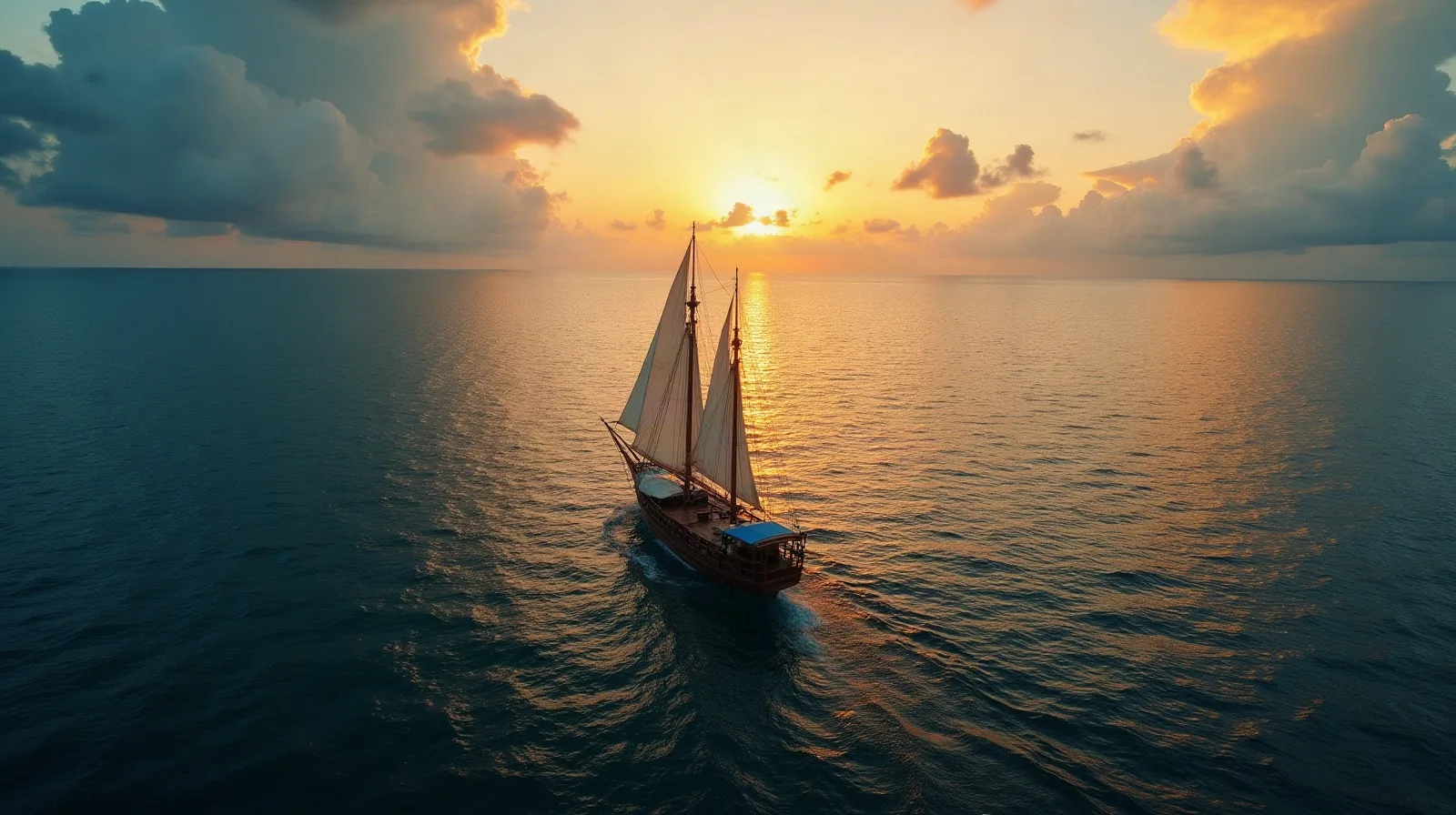
The optimal period for an Indonesia yacht charter largely depends on your desired region, though generally, the dry season spanning May to October offers the most favorable conditions across the archipelago for destinations like Komodo. However, for the pristine waters of Raja Ampat, the wet season from November to April provides calmer seas and excellent visibility.
- **Dry Season (May-Oct):** Ideal for Komodo, Bali, Lombok, and the Banda Sea. Expect clear skies, calm waters, and peak visibility.
- **Wet Season (Nov-Apr):** Prime time for Raja Ampat, Cenderawasih Bay, and exploring Sumatra’s west coast. Expect lush landscapes and fewer crowds in general western areas.
- **Shoulder Seasons (Apr & Nov):** Excellent value with good weather, fewer crowds, and a transition period offering the best of both worlds in certain regions.
Imagine the gentle swell beneath a gleaming teak deck, the scent of salt and exotic spices mingling in the warm air as your private chef prepares an exquisite meal. Sunlight glints off turquoise waters, revealing kaleidoscopic coral gardens just beneath the surface. A pod of dolphins arcs gracefully in the distance, a fleeting ballet against a backdrop of verdant volcanic islands. This is the promise of an indonesia yacht charter, an exceptional journey through one of the world’s most biodiverse and culturally rich archipelagos. But when does this dream coalesce into its most perfect form? The vastness of Indonesia dictates a nuanced answer, shifting with monsoons, regional currents, and the rhythms of local life. Understanding these seasonal nuances is key to unlocking the quintessential luxury charter experience.
The Dry Season Zenith: May to September (Eastern Indonesia Focus)
From May through September, the vast eastern reaches of Indonesia truly come alive, making this period the undisputed peak for an indonesia yacht charter focused on destinations like Komodo National Park, Flores, and the initial forays into the Banda Sea. This is when the southeast monsoon winds bring dry, stable weather patterns, ensuring consistently clear skies and minimal rainfall. Average daily temperatures hover comfortably between 28°C and 32°C, with refreshing sea breezes mitigating the warmth.
Marine conditions during these months are exceptional. Visibility underwater often extends beyond 25 meters, sometimes reaching an astonishing 40 meters in undisturbed areas. The seas are generally calm, providing smooth sailing and ideal conditions for diving, snorkeling, and water sports. Currents, while always a factor in nutrient-rich Indonesian waters, tend to be more predictable. This stability allows for extensive exploration of vibrant coral reefs teeming with marine life – from majestic manta rays gliding through cleaning stations to schools of barracuda swirling in unison. Divers will find water temperatures consistently warm, typically between 27°C and 29°C, making long dives a comfortable pleasure. The sheer abundance of photographic opportunities, both above and below the waterline, is exceptional.
However, this period of perfection comes with increased demand. July and August, coinciding with European and North American summer holidays, represent the absolute peak. Yachts are booked solid, often 12 to 18 months in advance, and charter rates reflect this premium. Expect to see prices 20-30% higher than in the shoulder or wet seasons. The iconic Komodo National Park, a UNESCO World Heritage Site spanning 1,733 square kilometers, sees its highest visitor numbers during this time, particularly around its famous Komodo dragon habitats and dive sites. Despite the crowds, the sheer scale of the park allows for secluded anchorages and private moments of discovery. Planning meticulously and booking early are paramount for securing your preferred vessel and itinerary.
May & June: The Gentle Ascent
As the dry season establishes itself, May and June present a magnificent window for an indonesia yacht charter. The crowds of peak season haven’t fully descended, yet the weather and marine conditions are already superb. Rainfall becomes infrequent, typically limited to brief, isolated showers that quickly give way to brilliant sunshine. This transition period offers an excellent balance of superb conditions and slightly less competitive pricing compared to the absolute peak. Visibility underwater is already excellent, and the vibrant terrestrial landscapes, still verdant from the receding wet season, provide a stunning contrast to the azure waters. It’s an ideal time for those seeking the quintessential Komodo experience without the highest density of visitors. You might find slightly more flexibility in booking, though popular yachts will still be in high demand. Average charter prices might see a modest 5-10% reduction from the absolute peak of July/August.
July & August: Peak Perfection
For many, July and August embody the quintessential time for an indonesia yacht charter in the eastern archipelago. The weather is at its most reliable, with almost no rain, consistently clear skies, and gentle breezes. This is prime time for sailing, island hopping, and extended exploration. The visibility underwater is often at its maximum, creating exceptional opportunities for underwater photography and encountering large pelagic species. Komodo National Park is bustling, with its iconic dragons basking in the sun and its dive sites teeming with life. While this period demands booking well over a year in advance and commands the highest rates, the experience is arguably unsurpassed for those prioritizing flawless weather and marine conditions. The atmosphere is vibrant, with a palpable sense of adventure shared among discerning travelers. A typical 7-day charter during this period will average around 20,000 to 50,000 USD per person, depending on the yacht’s size and luxury level.
The Wet Season Wonders: November to March (Western Indonesia & Raja Ampat Prime)
While often labeled the “wet season,” the months from November to March are far from a uniform period of perpetual rain across Indonesia. Instead, this is a time of distinct regional shifts, making it the absolute prime season for an indonesia yacht charter in specific, truly top-tier destinations, most notably Raja Ampat. For other areas like Komodo or Bali, it represents the low season, but even there, opportunities for unique experiences exist.
For the western and far eastern regions, including Raja Ampat, Cenderawasih Bay, and parts of Sumatra, this period brings the northwest monsoon. In Raja Ampat, this translates to significantly calmer seas, less wind, and consistently pleasant conditions, despite the higher chance of rain. Rainfall here often comes in short, intense bursts, typically in the late afternoon or evening, leaving the days bright and clear for exploration. Air temperatures hover between 26°C and 30°C, with higher humidity but often less intense heat than the dry season. Water temperatures remain a balmy 28°C to 30°C, perfect for extended dives.
Raja Ampat, known globally as the epicenter of marine biodiversity, truly shines during these months. The calm waters facilitate access to its myriad islands, hidden lagoons, and striking dive sites. Visibility, while sometimes affected by plankton blooms (which, in turn, attract larger marine life), remains excellent, typically 15-25 meters. This is the peak season for encountering its incredible array of species, from pygmy seahorses to majestic manta rays and reef sharks. Crowds in Raja Ampat are at their highest during this period, mirroring the demand seen in Komodo during the dry season. Booking 12-18 months in advance is essential for securing a luxury indonesia yacht charter in this remote paradise. The archipelago comprises over 1,500 small islands, cays, and shoals surrounding the four main islands of Misool, Salawati, Batanta, and Waigeo. Its marine area is approximately 46,000 square kilometers.
For destinations like Komodo and Bali, the wet season brings higher rainfall, increased humidity, and rougher seas, making yacht charters less appealing for water-based activities. However, for those interested in land-based cultural exploration, lush green landscapes, and potentially significant discounts on charter rates (sometimes 20-25% lower), it can still be an option. The south coast of Bali, for example, experiences less rain than the central highlands. It’s a time when you might find a unique window for a luxurious escape to a quieter Indonesia, provided your itinerary is flexible and you’re prepared for occasional weather delays. The official Indonesian tourism website, indonesia.travel, often provides detailed regional weather forecasts.
November & December: Raja Ampat Unveiled
As November arrives, the maritime world’s gaze shifts eastward to Raja Ampat. The transition from the dry season brings calmer winds and seas, creating ideal conditions for navigating its intricate maze of limestone karsts and exploring its underwater riches. December continues this trend, making it a highly sought-after month, especially around the Christmas and New Year holidays. These weeks see a surge in demand, pushing charter rates to their absolute premium for Raja Ampat-focused itineraries. Visibility is excellent, and the vibrant marine life is at its most active. It’s a time of profound beauty, where the lush green islands contrast with the turquoise waters, and every turn reveals another striking vista. This period is also excellent for exploring the less-visited Cenderawasih Bay, famed for its resident whale shark populations, often numbering 10-20 individuals. These gentle giants, the largest fish in the ocean, can be observed year-round in Cenderawasih, but the calmer seas of the wet season make access easier. A typical liveaboard trip to Cenderawasih Bay lasts 7-10 days.
January & February: The Heart of Raja Ampat
These months represent the very core of Raja Ampat’s prime season. Consistent weather, calm seas, and extraordinary underwater visibility define the experience. The entire region is accessible, from the iconic mushroom islands of Misool to the vibrant reefs of Dampier Strait. Daily temperatures average around 29°C, with water temperatures a steady 28°C. This period is perfect for extended diving expeditions, exploring remote villages, and simply reveling in the exceptional natural beauty. Given the intense demand, securing an indonesia yacht charter for January or February requires meticulous planning, often 18 months in advance. The reward, however, is an immersive journey into one of Earth’s last true marine frontiers. For detailed information on the region’s biodiversity, Wikipedia’s Raja Ampat page offers a comprehensive overview.
Regional Focus: Komodo vs. Raja Ampat Dynamics
The vastness of Indonesia means that “best time” is rarely a blanket statement. Instead, it’s a dynamic interplay of monsoons and local conditions, creating distinct prime seasons for its two most celebrated yacht charter destinations: Komodo National Park and Raja Ampat. Understanding these regional dynamics is paramount to planning your perfect indonesia yacht charter experience.
Komodo National Park: This iconic destination, home to the formidable Komodo dragons and spectacular dive sites, thrives during Indonesia’s dry season, from May to October. During these months, the southeast monsoon ensures consistently dry, sunny weather with minimal rainfall. The seas around Komodo, Flores, and the Lesser Sunda Islands are calm, offering exceptional visibility for diving and snorkeling, often exceeding 25 meters. The air temperatures range from 28°C to 32°C, with pleasant sea breezes. This period is ideal for trekking to see the dragons on Rinca and Komodo islands, exploring pink beaches, and navigating the strong currents that bring nutrient-rich waters to top-tier dive sites like Manta Point and Batu Bolong. While the landscapes can be more arid, the underwater world is at its most vibrant. Peak demand and pricing occur in July and August. For a truly immersive experience, consider a 7- to 10-day itinerary to fully explore the park’s 29 islands.
Raja Ampat: Located in West Papua, this remote archipelago is a marine biodiversity hotspot and experiences its prime season during what is generally considered Indonesia’s wet season, from November to April. Here, the northwest monsoon brings calmer winds and seas, creating ideal conditions for exploration. While there’s a higher chance of rain, it typically manifests as short, intense downpours that quickly pass, leaving clear skies. Air temperatures are slightly cooler, averaging 26°C to 30°C, and humidity is higher, but the crucial factor is the calm water, which is paramount for navigating Raja Ampat’s intricate passages and accessing its thousands of dive sites. Visibility is excellent, though plankton blooms can sometimes reduce it while simultaneously attracting large pelagics. This is the time to explore the iconic mushroom islands of Misool, discover pristine coral gardens, and encounter an astonishing array of marine life. Demand for Raja Ampat charters is highest during this window, with December to February being the absolute peak, requiring bookings 12-18 months in advance. A typical Raja Ampat charter lasts 10-12 days to truly appreciate its vastness. More information on Komodo National Park’s ecological significance can be found on its UNESCO World Heritage page.
Pricing & Booking Strategy for Your Indonesia Yacht Charter
Embarking on an indonesia yacht charter is an investment in an exceptional luxury experience, and understanding the seasonal pricing and booking dynamics is crucial for optimizing both value and availability. The archipelago’s vastness means pricing windows fluctuate significantly based on region and demand, often correlating directly with the “best time” for specific destinations.
High Season (July-August for Komodo/Dry Season destinations; December-February for Raja Ampat/Wet Season destinations): This period represents peak demand and, consequently, premium pricing. Yachts are often booked 12 to 18 months in advance, particularly for popular vessels and prime holiday weeks. Expect to pay 20-30% more than shoulder season rates. For a luxury yacht, a week-long charter can easily range from $50,000 to over $200,000, excluding provisions, fuel, and port fees. Booking early ensures you secure your preferred yacht and crew. Last-minute options are extremely rare and usually only available due to cancellations. Our specialists at Indonesia Yacht Charter can guide you through the selection process.
Shoulder Season (April-June & September-November for Komodo/Dry Season destinations; November & March for Raja Ampat/Wet Season destinations): These periods offer an excellent balance of superb conditions and potentially more attractive pricing. Demand is still strong, but you might find slightly more flexibility and better rates, often 10-15% lower than peak season. Booking 9 to 12 months in advance is recommended. This window provides a sweet spot for those seeking high-quality experiences without the absolute premium price tag or the highest crowds. For example, a luxurious 8-day charter in Komodo during May might save you 15% compared to July. It’s a strategic time to consider extended itineraries or explore less-frequented areas like the Spice Islands (Banda Sea), which have their own shoulder seasons in April-May and September-November.
Low Season (December-March for Komodo/Dry Season destinations; April-October for Raja Ampat/Wet Season destinations): This is when pricing is typically at its lowest, potentially offering savings of 20-25% or more. However, this comes with a trade-off: weather conditions may be less predictable (e.g., heavy rain in Komodo, rough seas in Raja Ampat). While fewer yachts operate in these regions during their respective low seasons, some might offer repositioning charters at exceptional rates. Booking 6 to 9 months out is often sufficient. This period is best suited for flexible travelers who are open to alternative itineraries or who prioritize significant cost savings and don’t mind the possibility of encountering less ideal weather. For instance, a private yacht charter around Bali during the wet season might offer unique cultural experiences and lush green landscapes, despite the occasional downpour. To explore the diverse options available, visit our luxury yacht fleet page.
Beyond the season, key factors influencing pricing include the size and age of the yacht, the level of luxury, the crew-to-guest ratio, the duration of the charter (longer charters often have a slightly lower per-day rate), and the specific itinerary. Customization is standard for an indonesia yacht charter, allowing you to tailor every aspect of your journey. Always clarify what is included in your charter fee (e.g., fuel, provisions, national park fees, activities) to avoid surprises. A 10-day charter will typically offer better per-day value than a 7-day charter. Port fees in some national parks, like Komodo, can range from $50-$100 per person per day.
Marine Conditions & Activities Across Seasons
The allure of an indonesia yacht charter extends far beyond simply sailing; it encompasses a world of marine activities and land-based explorations, each profoundly influenced by the prevailing season. Understanding these dynamic conditions ensures your chosen itinerary aligns perfectly with your desired experiences.
Diving & Snorkeling:
* Dry Season (May-October): For Komodo and the Lesser Sunda Islands, this period offers peak visibility (often 20-30m+), calmer surface conditions, and consistent water temperatures (27-29°C). The strong currents in Komodo, while challenging, bring abundant nutrients and attract large pelagics like manta rays and reef sharks, making for exhilarating drift dives. Landings for treks to see the Komodo dragons are also easier due to drier trails.
* Wet Season (November-April): Raja Ampat truly shines here. While visibility can sometimes be reduced by plankton blooms (a sign of a healthy ecosystem attracting filter feeders), the seas are significantly calmer, allowing access to remote sites otherwise difficult to reach. Water temperatures remain warm (28-30°C). This is prime time for encounters with diverse fish species, macro life, and vibrant soft corals. For the Banda Sea, the shoulder seasons of April-May and September-November are best for diving, offering optimal visibility and encounters with hammerhead sharks. The famous "Forgotten Islands" also thrive during these shoulder periods, with incredible biodiversity and often fewer than 10 boats visiting the region annually.
Land Excursions & Wildlife:
* Dry Season (May-October): Ideal for trekking and beach visits in Komodo. The trails are dry, making it easier to spot Komodo dragons basking in the sun. The iconic Pink Beach is particularly inviting under clear skies. Exploring the volcanic landscapes of Flores or the pristine beaches of Sumbawa is also best
Regional Windows at a Glance
| Region | Prime window | Workable | Avoid |
|---|---|---|---|
| Bali–Gili–Lombok | May–Oct | Nov–Apr mornings | — |
| Komodo | Apr–Nov | Dec–Mar (north) | South in NW monsoon |
| Togean / Wakatobi | Mar–Jun, Sep–Nov | Jul–Aug | — |
| Banda Sea | Sep–Dec, Mar–Apr | — | Mid-monsoon crossings |
| Raja Ampat | Oct–Apr | May | Jun–Sep trades |
| Cenderawasih | Jul–Sep | Most of year | — |
Turn any window into a leg-by-leg plan with the charter route planner hub, and read the mechanism behind the map in the east vs west monsoon guide. Surf-focused dates follow the May–September south swell; season-flexible travellers get the widest choice in the April–May and October–November transitions.
More answers
Which months are peak season for Indonesian charters?
July–August and the festive weeks — the dry-season heart for Bali through Komodo, with the highest rates and earliest sell-outs across the fleet.
When is the best time for Raja Ampat by yacht?
October to April, under the northwest monsoon’s calm on the Papua side; mid-year trade winds turn the region into a lee shore and the fleet repositions west.
Can you charter in Indonesia year-round?
Yes — the two monsoons split the map rather than close it: some region is always in prime season, which is why dates should be chosen before regions.
Chart your Indonesian passage
Tell us your dates, group and the water you want under the keel. The desk replies on WhatsApp with routes, vessels and an honest USD quote.