Routes & Itineraries
Wakatobi by Yacht: Reef Passes, Anchorages and Village Calls
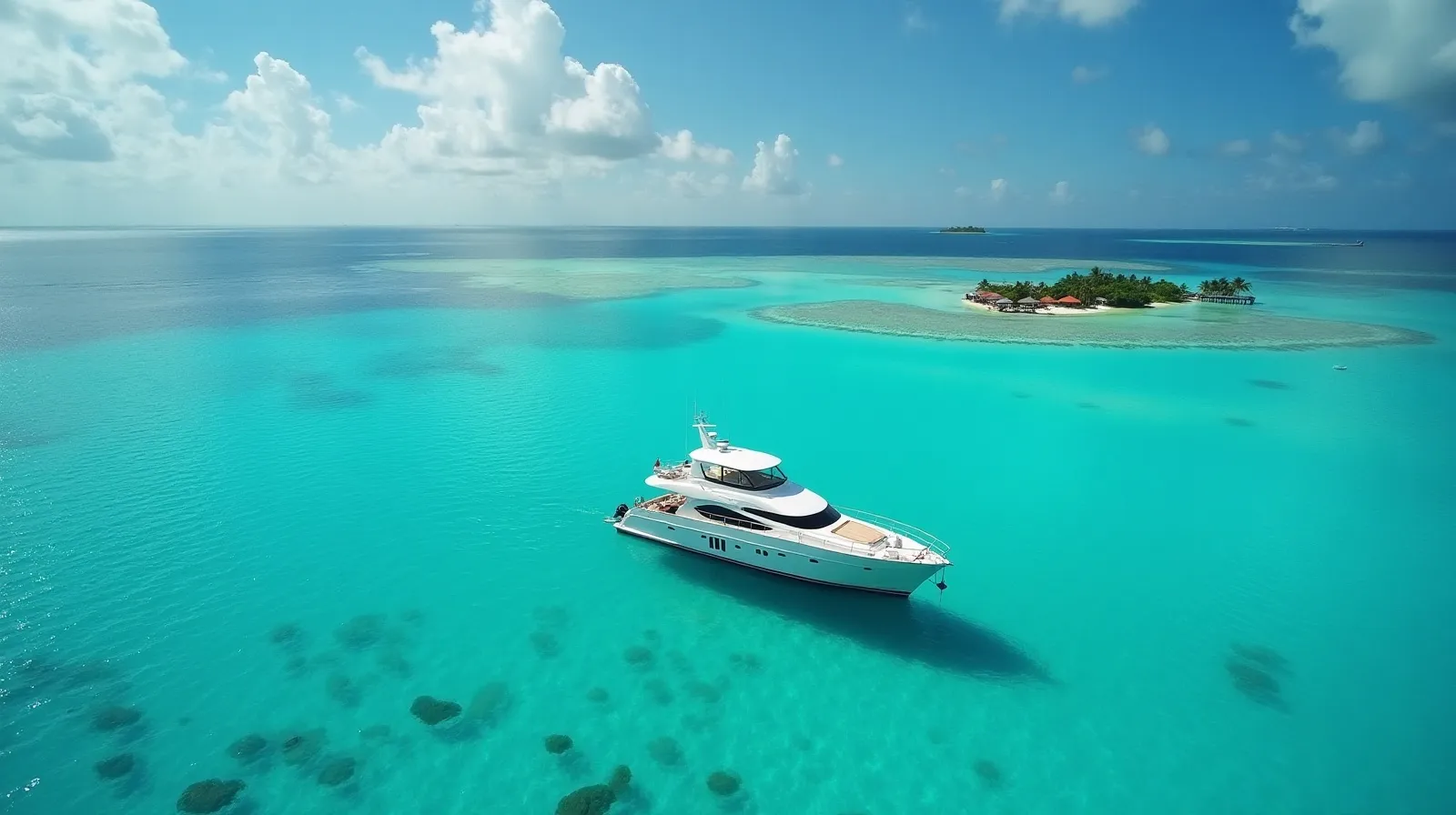
Wakatobi — Wangi-Wangi, Kaledupa, Tomia and Binongko, the four islands that lend the marine park its name — is Indonesia’s most orderly atoll cruising: short 20–35 nm hops, barrier reefs that flatten the swell, and anchorages inside lagoons that stay glassy while the open Banda Sea heaves. As a charter leg it slots neatly into the Sulawesi and Wakatobi routes in the planner, usually as a 5–7 day circuit out of Wangi-Wangi’s harbour.
The four-island circuit
| Leg | Distance | Anchor | Highlight |
|---|---|---|---|
| Wangi-Wangi → Kaledupa | ~22 nm | Hoga channel | Hoga’s house-reef walls |
| Kaledupa → Tomia | ~25 nm | Onemobaa lagoon | Roma & Mari Mabuk dive sites |
| Tomia → Binongko | ~18 nm | NW roadstead | Blacksmith villages, empty reef |
| Binongko → Wangi-Wangi | ~35 nm | Marina bay | Night market, provisioning |
Every leg is a morning sail. That rhythm — dive or snorkel at first light, reposition before lunch, village or lagoon afternoon — is what separates Wakatobi from destinations where the passages themselves consume the day.
Reading the reef passes
The atolls are ringed by barrier reef with narrow passes, and the passes are where everything happens: current-swept channels concentrate fish life, and they are also the only safe ways into the lagoons. Captains run passes at slack water — the tidal streams reach 3 knots at springs — and anchor inside on sand patches at 10–15 metres. Kaledupa’s double barrier (outer reef plus Hoga’s inner line) gives the most protected water in the park, the reason liveaboards sit out weather there.
Village calls: the Bajo settlements
Sampela, the stilted Bajo sea-nomad village off Kaledupa, is the cultural centrepiece — several hundred households standing over the lagoon on hardwood piles. Visits work best arranged through your crew with the village head, mid-morning, buying fish or woven goods directly rather than handing out cash. Binongko’s blacksmith villages, where parang blades are still forged from scrap steel, see so few visitors that a yacht call is a genuine event on both sides; the etiquette guide in the village protocol at anchor post applies in full here.
Season, vessel and cost
Wakatobi sails well March–June and September–November; July–August trade winds ruffle the crossings between atolls without closing them. Any crewed class handles the circuit — this is one of few eastern legs where catamarans are comfortable — and dive-focused phinisi get the most from it. Budget USD 3,000–10,000 per day whole-boat depending on class, plus park fees of roughly USD 15–20 per guest per day through the APA. The natural pairings are the Togean Islands to the north or a Banda Sea crossing eastward, and the deeper dive-focused version of this coverage lives on the Wakatobi dive charter page.
Diving and snorkelling logistics inside the park
Wakatobi’s underwater architecture divides cleanly by atoll. Wangi-Wangi serves as arrival and shakedown — house reefs off the harbour for gear checks. Kaledupa’s double barrier is the snorkel heartland: the inner Hoga line sits in two to eight metres of protected water where non-divers get the park’s full colour without a tank. Tomia is the diving crescendo — Roma’s cauliflower-coral amphitheatre and Mari Mabuk’s current-swept ridge are the two sites every itinerary protects — and Binongko is exploratory grade, with unnamed walls that your divemaster may be seeing for the second time in a career. Tenders run all diving; the mother vessel holds lagoon anchorages and repositions during surface intervals.
The park fee structure is simple by Indonesian standards — a per-guest daily tariff your crew settles at the gateway posts — and dive pressure remains low enough that two boats on one site counts as a crowd. Water runs 27–29°C year-round with 20–40 metre visibility peaking in the transition months.
Practical notes for the four-atoll circuit
- Access: daily props connect Makassar to Wangi-Wangi’s airstrip; Bau-Bau on Buton is the alternative staging port with better jet connections.
- Provisioning: Wangi-Wangi’s market is honest but basic — hub-load in Makassar or Bau-Bau; fish is bought daily from Bajo canoes.
- Fuel: drum service at Wangi-Wangi only; the circuit itself is short-range, but onward passages need planning.
- Tides: passes run to three knots at springs — dive and transit them at slack; your tide tables matter more than your schedule.
- Anchoring: sand patches inside lagoons at 10–15 m; the barrier flats are protected coral — moorings or careful placement only.
- Village calls: arrange Sampela and Binongko visits through crew and the village head; buy directly, photograph with permission.
- Weather margin: July–August trades ruffle inter-atoll crossings — schedule those legs for mornings.
The circuit’s deeper reward is its rhythm: no long passages, no weather anxiety, just four atolls taking turns at being the day’s world — the closest Indonesian cruising comes to effortless.
Quick answers
How many days do you need for Wakatobi by yacht?
Five to seven days covers the four-island circuit at a comfortable pace — 20–35 nm morning legs with afternoons in lagoons or villages. Dedicated dive charters often extend to nine days to work Tomia’s sites fully.
What is the best season for Wakatobi cruising?
March–June and September–November offer the calmest crossings between atolls. July–August stays sailable with stronger trade winds, and the lagoons remain protected in all but the worst weather.
Can you visit Bajo villages in Wakatobi?
Yes — Sampela off Kaledupa welcomes respectful visits arranged through your crew with the village head. Buying fish or crafts directly is the appreciated form of contribution.
Related briefs
Continue with Alor and the Ring of Fire and Wild Coastlines Beyond the Resort Strip.
Want this route priced for your dates? Message the Indonesia Yacht Charter desk on WhatsApp +62 811-3941-4563 or email [email protected] for routes, vessels and honest USD quotes within 48 hours.
Chart your Indonesian passage
Tell us your dates, group and the water you want under the keel. The desk replies on WhatsApp with routes, vessels and an honest USD quote.