
Routes & Itineraries
Village Protocol at Anchor: Visiting Communities Respectfully
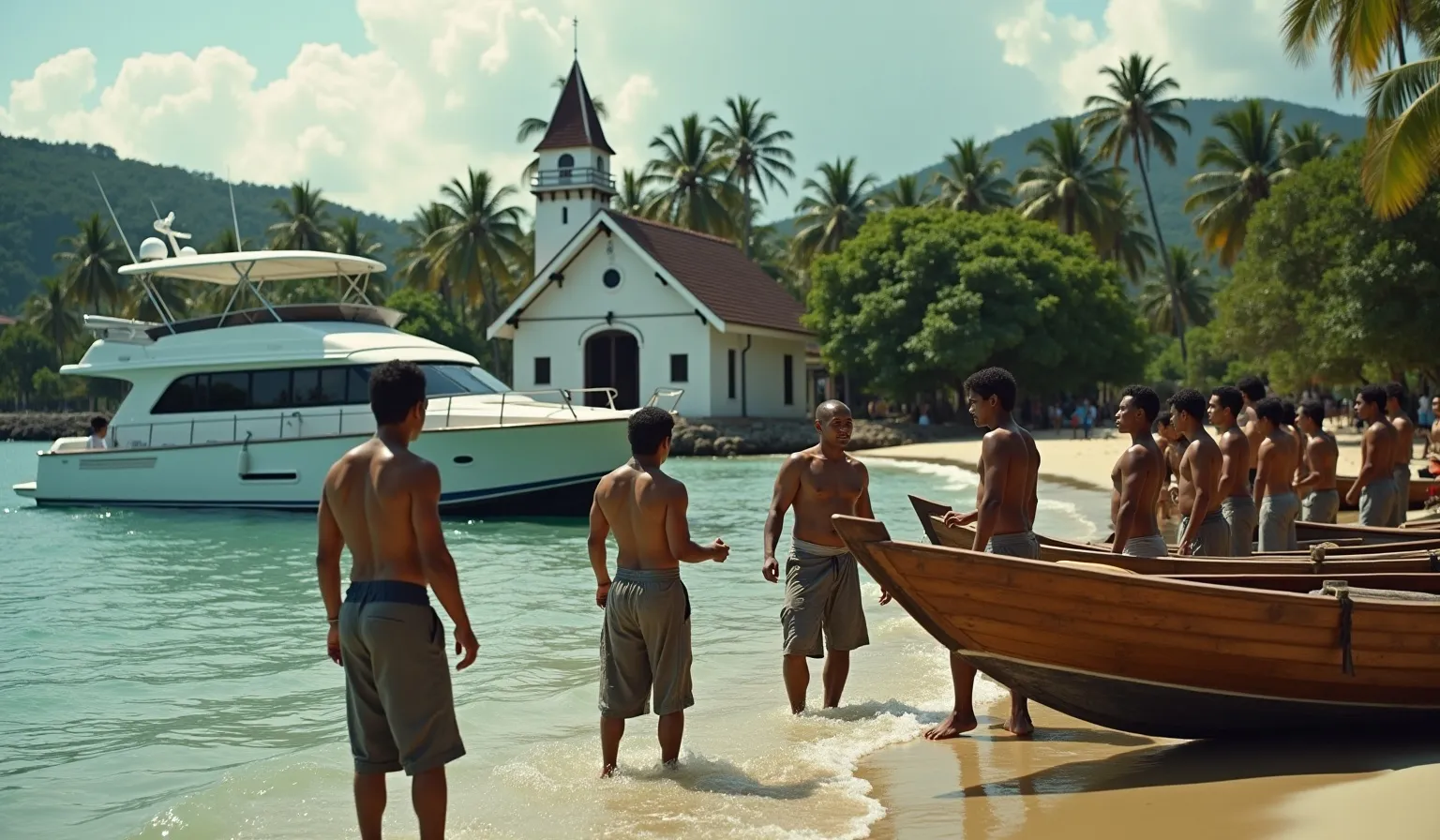
On remote Indonesian routes the villages are not a backdrop — they are hosts. A yacht at anchor off a kampung of two hundred people is an event, and how the visit is conducted decides whether the next boat is welcomed too. The protocol below is what professional crews on expedition-grade routes practise from Sumba to the Kei Islands, condensed for guests who want to get it right.
The sequence: crew first, kepala desa first
Every correct visit follows the same order. The crew lands first and asks for the kepala desa (village head) or kepala dusun; permission to walk the village, swim the beach or attend anything is requested through him, not assumed. Only then do guests come ashore. In much of eastern Indonesia this is more than courtesy — adat (customary law) governs beaches, reefs and springs, and some bays are sasi (under customary closure) where anchoring or fishing needs explicit clearance. Your crew knows the signs; the visible lesson for guests is patience with the ten minutes of introductions that open every door.
Gifts, buying and the cash question
| Do | Avoid |
|---|---|
| Buy directly: fish, fruit, woven goods, carvings | Handing out cash or sweets to children |
| School supplies given to the teacher, not children | Gifts that create begging patterns |
| Betel nut for elders on Sumba, Alor, the far east | Alcohol as a gift anywhere |
| Fair prices without hard bargaining on food | Photographing a purchase then not buying |
The strongest positive act is commerce, not charity: buying the morning’s catch at a fair price puts money in the village economy on adult terms, and it is exactly how crews provision anyway — the same channel described in the provisioning map.
Photography, dress and the mosque-and-church calendar
Ask before photographing people — a gesture with the camera and a smile is universally understood — and expect an enthusiastic yes most of the time; the asking is the point. Dress modestly ashore: shoulders and knees covered reads as respect in Muslim and Christian villages alike, and swimwear stays on the boat. Time visits around the religious calendar: Friday midday in Muslim kampungs and Sunday morning in Christian ones belong to worship, and Ramadan afternoons are not the moment for a picnic ashore. In ritual sites — Sumba’s megalith villages above the anchorages of the Sumba route, for instance — photography rules tighten further: ask, every time.
Why this is route knowledge, not just manners
Reef anchorages, freshwater springs, bagan platforms and village jetties are all shared infrastructure governed by the communities that own them. Crews who maintain those relationships get weather shelter, local pilotage through unmarked passes, fresh food and genuine welcomes; boats that do not, close anchorages for everyone. The best charters treat protocol as part of seamanship — and guests who lean into it consistently report the village mornings, not the reefs, as the trip’s high point.
Regional variations: one principle, many customs
The crew-first, village-head-first principle holds everywhere; its expression shifts by region. In Sumba and the Nusa Tenggara east, betel nut (sirih pinang) opens conversations the way a handshake does elsewhere — crews carry it, elders receive it, and the small ritual matters more than its cost. In Maluku’s sasi communities, the operative question is which waters and reefs are currently closed: sasi flags and markers are legally meaningful under customary law, and a crew that asks first is remembered for it. Papua adds the kepala suku (clan head) alongside the village head, and visits to bird-of-paradise leks or rock-art sites are property visits — the trees and cliffs have owners. In Muslim kampungs from Sulawesi to Halmahera, the mosque’s schedule structures the day and modesty structures the dress code; in the Christian east, Sunday is the village’s own day first. None of this is a burden in practice: it is fifteen minutes of respect that opens doors nothing else opens.
The payment question deserves its own line: many villages now operate modest visitor fees for beaches, lakes or cultural sites — Mariona’s jellyfish lake and Sumba’s megalith villages among them. These are legitimate local revenue, receipted through your crew and the APA, and distinct from ad-hoc cash handouts, which remain the one practice that reliably damages the next boat’s welcome.
Practical notes for guests
- Let the crew land first, always — the ten-minute introduction is the visit’s foundation.
- Dress: shoulders and knees, both sexes, every village; swimwear never leaves the boat.
- Photography: ask, every time; drones only after explicit clearance — and never over ceremonies.
- Purchases beat gifts; school supplies to teachers beat both; cash to children harms everyone.
- Timing: avoid Friday midday (Muslim), Sunday morning (Christian), and any visible ceremony without invitation.
- Reciprocity: village visitors aboard — kids swimming off your stern, canoes alongside — are the relationship working; welcome them.
Guests who internalise the protocol stop being tourists at anchor and become what the tradition assumes: guests — and the archipelago treats its guests extraordinarily well.
Quick answers
Do you need permission to visit villages from a yacht?
In practice yes — the crew asks the village head first, and guests land after. Customary law (adat) governs many beaches and bays, including sasi closures that a good crew recognises.
What gifts are appropriate for Indonesian villages?
Buy rather than give: fish, fruit and crafts at fair prices support the village on adult terms. If gifting, school supplies to the teacher work; avoid cash or sweets to children.
What should charter guests wear ashore?
Modest dress — shoulders and knees covered — in Muslim and Christian villages alike. Swimwear stays aboard, and visits avoid Friday midday prayers and Sunday services.
Related briefs
Continue with The Forgotten Sulawesi Coast and Misool’s Lagoons in Sequence.
Planning a charter around this? Message the Indonesia Yacht Charter desk on WhatsApp +62 811-3941-4563 or email [email protected] for routes, vessels and honest USD quotes within 48 hours.

Chart your Indonesian passage
Tell us your dates, group and the water you want under the keel. The desk replies on WhatsApp with routes, vessels and an honest USD quote.