
Planning & Legal
Clearance Procedures for Sailing Indonesia: Ports, Papers and Timing
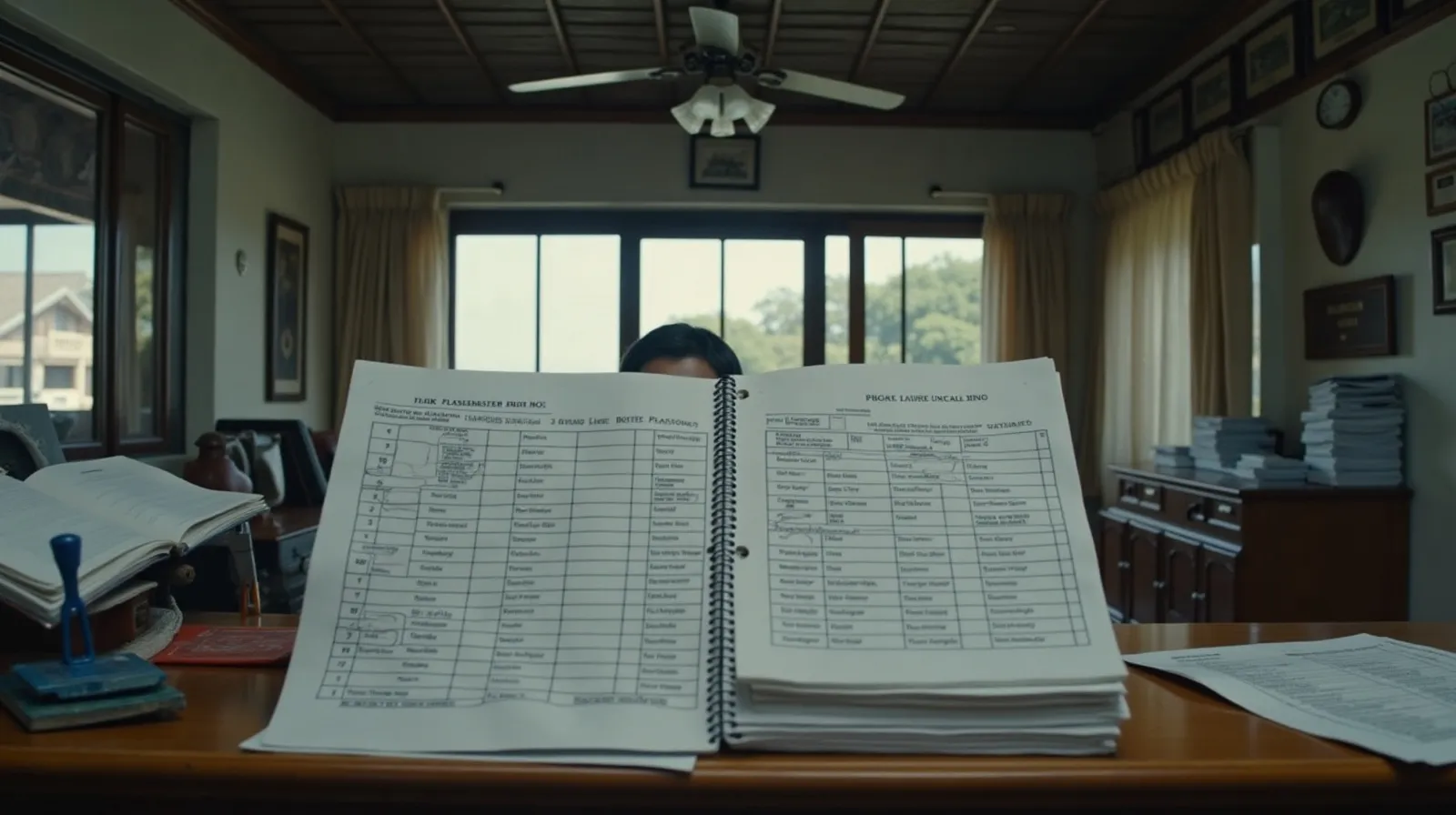
Every vessel moving through Indonesian waters answers to four authorities — Customs, Immigration, Quarantine and the Port authority (CIQP) — plus the harbourmaster’s (syahbandar) port-clearance system that tracks domestic movement. For charter guests this machinery is almost invisible, because licensed operators run it professionally; understanding it anyway explains route timings, and matters enormously to anyone bringing a private yacht. The legal architecture around it sits in our insurance and legal requirements page.
Charter guest vs private yacht: two different worlds
On a licensed Indonesian charter, the vessel is domestically flagged and permanently cleared into the system: the operator files crew lists and guest manifests, obtains port clearance (SPB) for each leg, and guests’ only formality is arriving in the country with a valid visa. A visiting private yacht faces the full stack: advance notification, temporary import arrangements for the vessel, CIQP clearance at an authorised port of entry, and clearance-out obligations — manageable with a good agent, meaningful without one. This asymmetry is a large, quiet argument for chartering locally.
The clearance ports that matter
| Port | Role | Notes |
|---|---|---|
| Benoa (Bali) | Full CIQP, main western entry | Agents on-site; fastest processing |
| Batam / Nongsa | Entry from Singapore | Marina-based clearance, efficient |
| Kupang | Entry from Australia | Sail-rally seasoned officials |
| Ambon | Eastern hub | Banda Sea staging clearance |
| Sorong | Papua gateway | Raja Ampat park tie-ins |
| Labuan Bajo, Makassar, Ternate | Domestic legs | Syahbandar port clearance between legs |
Timing: what clearance really costs a route
With papers in order and an agent engaged, international clearance-in at Benoa or Batam completes inside a working day; domestic port clearance between legs is a same-morning formality the crew handles while guests finish breakfast. The route cost appears at edges: weekend and holiday arrivals can wait for office hours, remote syahbandar posts keep short days, and eastern itineraries build clearance mornings into the plan — one reason expedition legs stage from hub ports, as the route planner’s legs reflect. Attempting to skip a port clearance is the false economy: the system is joined-up, and the vessel that missed a stamp answers for it at the next port.
What guests actually need
Three things: a passport valid six months beyond travel, the right visa (visa-on-arrival covers most nationalities for standard charter lengths; extensions are a known process), and patience on the one morning a syahbandar visit runs long. The operator holds everything else — vessel certificates, crew credentials, manifests, park permits. Ask to see the operator’s licensing once, before booking, as due diligence; after that, the paperwork is their craft, and watching a good crew run a clearance morning in Kalabahi is its own small piece of maritime Indonesia.
The paperwork stack, itemised
For the process-minded, here is what actually sits in a charter vessel’s clearance file. Standing documents: the vessel’s registry (grosse akta), seaworthiness and safety certificates, tonnage certificate, radio licence, insurance cover notes and the operating licences that authorise commercial carriage. Per-voyage documents: the crew list (updated for every guest rotation, because guests ride the manifest), the port clearance (SPB) issued by the departing syahbandar naming the next port, park permits where applicable, and the guest passport copies that immigration spot-checks require. International movements add customs declarations and, for foreign vessels, the temporary-import paperwork. The crew presents this stack at every port call; the syahbandar verifies, stamps and issues the next SPB; and the whole exchange — done right — takes less time than the market run happening alongside it.
Two realities keep the system honest. First, it is genuinely joined-up: SPBs chain port to port, so a skipped clearance surfaces at the next call. Second, it is human: officials in remote posts know the good operators by name and reputation, and that relationship capital — accumulated over years of correct paperwork — is part of what a licensed charter actually sells.
Practical notes on the clearance layer
- Guests: passport validity six months beyond travel, visa per nationality, and copies to the operator before boarding.
- Rotations: mid-charter guest changes need manifest updates — give the operator flight details early.
- Timing: clearance mornings are built into good itineraries at each act boundary; they are not delays but the schedule.
- Remote posts: short office hours and occasional closures — one more reason crews front-load paperwork at hubs.
- Private yachts: engage an agent before arrival, enter at a designated port, and budget real time for the temporary-import process.
- Courtesy: the quarantine flag on entry and the Indonesian courtesy flag flown properly cost nothing and read as respect.
The stack’s summary for charter guests remains happily short: carry a valid passport, book licensed, and the archipelago’s entire bureaucracy resolves into other people’s competent mornings.
Quick answers
Do charter guests need to handle clearance in Indonesia?
No — on licensed Indonesian-flagged charters the operator files manifests and port clearances; guests just need a valid passport and visa. Private visiting yachts face the full CIQP process.
Which ports handle international clearance for yachts?
Benoa (Bali), Batam/Nongsa from Singapore, Kupang from Australia, Ambon in the east and Sorong for Papua are the working entries, all best run through local agents.
How long does port clearance take?
International clearance-in completes within a working day at the main ports; domestic clearances between route legs are same-morning formalities handled by the crew.
Related briefs
Continue with Expat Yacht Ownership in Indonesia and Flag State and Cabotage Rules in Indonesian Waters.
Take the next step with a working desk. Message the Indonesia Yacht Charter desk on WhatsApp +62 811-3941-4563 or email [email protected] for routes, vessels and honest USD quotes within 48 hours.

Chart your Indonesian passage
Tell us your dates, group and the water you want under the keel. The desk replies on WhatsApp with routes, vessels and an honest USD quote.