Boat Types
Cabin Dive Liveaboards in Indonesia: Book-by-Cabin Diving Explained
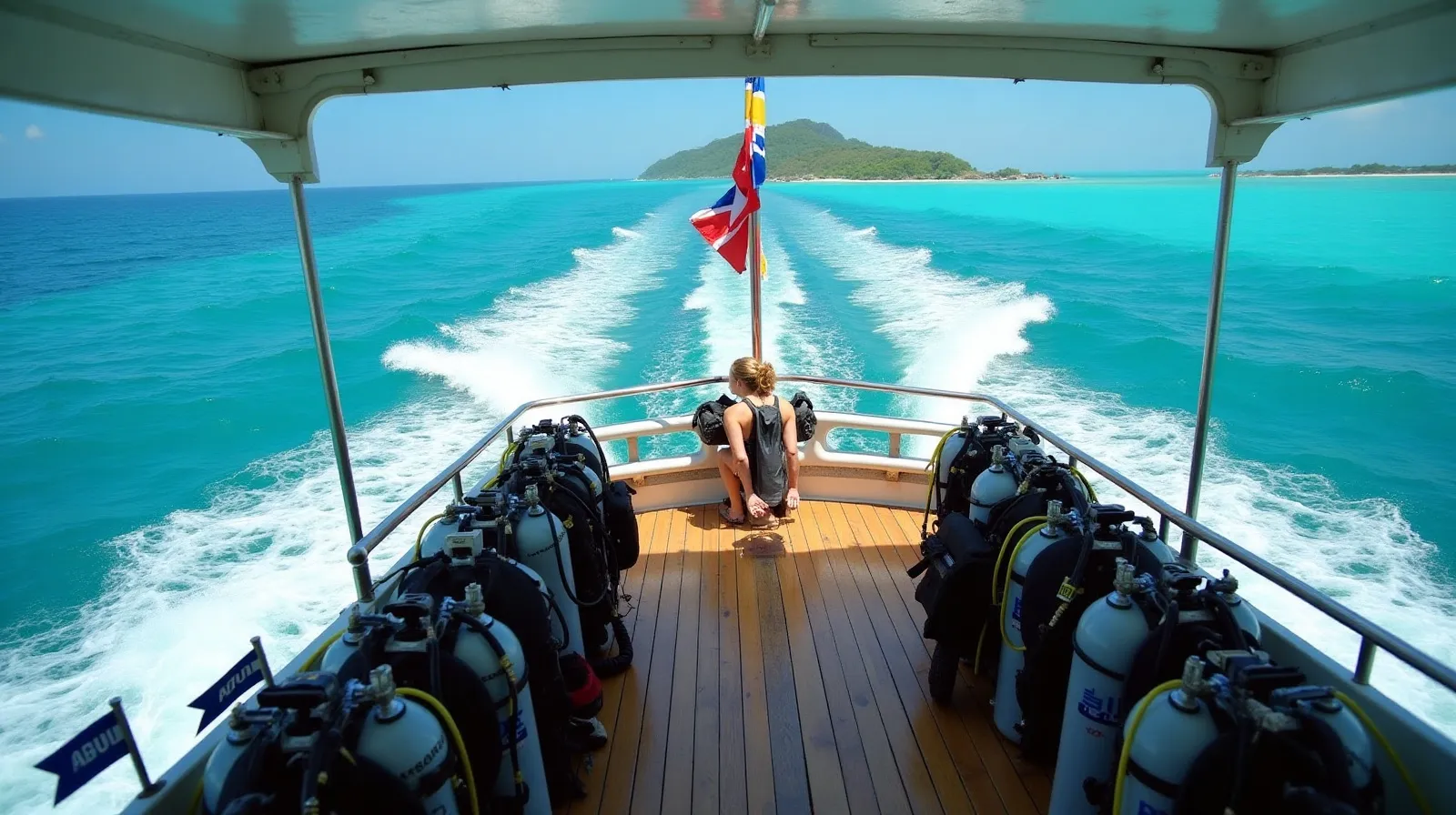
Booking a cabin on an Indonesian dive liveaboard is the established way solo divers and couples reach the archipelago’s marquee sites without chartering a whole vessel: you buy a berth on a fixed-schedule, fixed-route departure, share the boat with eight to twenty other divers, and pay per person rather than per day of boat. It is one of three distinct dive-charter formats in Indonesia — this guide covers the per-cabin model; the whole-boat group version has its own guide.
This brief is part of our boat types lane — start any booking conversation from the charter boat types comparison.
How the model works
Operators publish season schedules — a 7-night Komodo departure, an 11-night crossing — and sell cabins individually: twin shares, doubles, occasionally singles at a supplement. The price includes berth, full board, guided diving (typically 3–4 dives daily), tanks and weights; excluded are park fees, equipment rental, nitrox and crew gratuity. The trade against whole-boat charter is control: the schedule, route and dive pace are fixed, and your shipmates are strangers who become, on good boats, the best part of the trip.
Pricing bands and what moves them
| Tier | Per person per night | What you get |
|---|---|---|
| Mid-market | USD 200–350 | Comfortable twins, 3 dives/day, good guides |
| Premium | USD 350–550 | Larger cabins, 4:1 guide ratios, camera rooms |
| Luxury phinisi | USD 550–900+ | Suite-grade cabins, spa, 1:1 service depth |
Route drives price as much as tier: remote itineraries (Banda crossings, far-east routes) cost more per night than Komodo standards because fuel and provisioning do — the same APA economics that shape all Indonesian charter pricing.
Routes and seasons on the cabin circuit
The scheduled fleet follows the monsoon calendar in a well-worn annual migration: Komodo departures April–November, crossing trips through the Banda Sea in the October–November and March–April windows, and the eastern season December–April (with Raja Ampat itineraries best booked through the region’s specialist operators). Wakatobi and Alor appear as shoulder-season specials. Book marquee windows six to twelve months out; shoulder departures often have berths at short notice.
When whole-boat beats per-cabin
The arithmetic flips around six to eight divers: a group filling most of a boutique dive phinisi should price the whole-boat charter, which buys schedule control, route flexibility and a private deck for roughly the same per-head spend. Families with non-divers, photographers wanting unhurried sites, and anyone allergic to fixed wake-up bells belong on the whole-boat side too. Solo divers and couples, conversely, will rarely beat the per-cabin model’s value — it is the format built for them, and the third format (luxury dive charters with equal topside programme) is covered in the luxury dive charter guide.
Choosing the right boat culture
Within one price tier, the per-cabin fleet differentiates by culture more than by hardware, and matching it to yourself decides the week. Photography boats run long surface intervals, camera tables and site re-visits for the shot — heaven for shooters, slow for count-chasers. Performance boats maximise dives (four and a night dive, tight rotations) and attract logbook-driven divers. Course boats carry instructors and a training rhythm that suits progressing divers and mixed-ability couples. And cruising boats — often the phinisi conversions — balance three dives with island time, villages and deck life, the right answer for divers whose partners snorkel. The boat’s marketing photographs rarely admit which culture it runs; its schedule does. Read a sample day from a recent trip (any good operator shares one) and the culture is legible in an instant.
Group chemistry is the other honest variable: twelve strangers for a week either gel or grind, and crews curate it more than guests realise — buddy-pairing by experience, table rotations, the divemaster’s eye for who needs space. Boats with long-tenured crews run this social craft best, one more reason crew questions outrank hardware questions in this market too.
Practical booking notes for cabin divers
- Verify certification requirements per route — southern Komodo and the Banda sites want experience minimums honestly enforced.
- Nitrox: confirm availability and whether it is included or per-fill.
- Gear rental: book sizes ahead; remote routes cannot improvise an XL wetsuit.
- Insurance: dive-specific cover (DAN or equivalent) is mandatory on most boats — carry proof.
- Solo travellers: twin-share matching is standard; singles supplements negotiate best on shoulder departures.
- Surface days: fly no sooner than 24 hours after the last dive — build the buffer into flights.
Matched to the right culture, the per-cabin format is the best value in Indonesian diving; mismatched, it is a week on someone else’s clock — and the difference is one sample-day email apart.
Quick answers
What does a liveaboard cabin cost in Indonesia?
Mid-market boats run USD 200–350 per person per night, premium USD 350–550, and luxury phinisi USD 550–900+, including berth, meals, guided dives, tanks and weights. Park fees and rental gear are extra.
Are per-cabin liveaboards good for solo divers?
They are the format built for solo divers: twin-share berths avoid single supplements, groups are ready-made, and guided schedules remove all logistics. Whole-boat charter only wins from about six divers upward.
What routes do scheduled dive liveaboards run?
Komodo April–November, Banda Sea crossings in the October–November and March–April windows, and the eastern season December–April, with Wakatobi and Alor as shoulder-season specials.
Related briefs
Continue with Cabin Phinisi Charters and Whole-Boat Charters for Dive Groups.
Ready to turn this into a real itinerary? Message the Indonesia Yacht Charter desk on WhatsApp +62 811-3941-4563 or email [email protected] for routes, vessels and honest USD quotes within 48 hours.
Chart your Indonesian passage
Tell us your dates, group and the water you want under the keel. The desk replies on WhatsApp with routes, vessels and an honest USD quote.