Boat Types
Best Phinisi Boats in Indonesia: What Separates the Top Tier
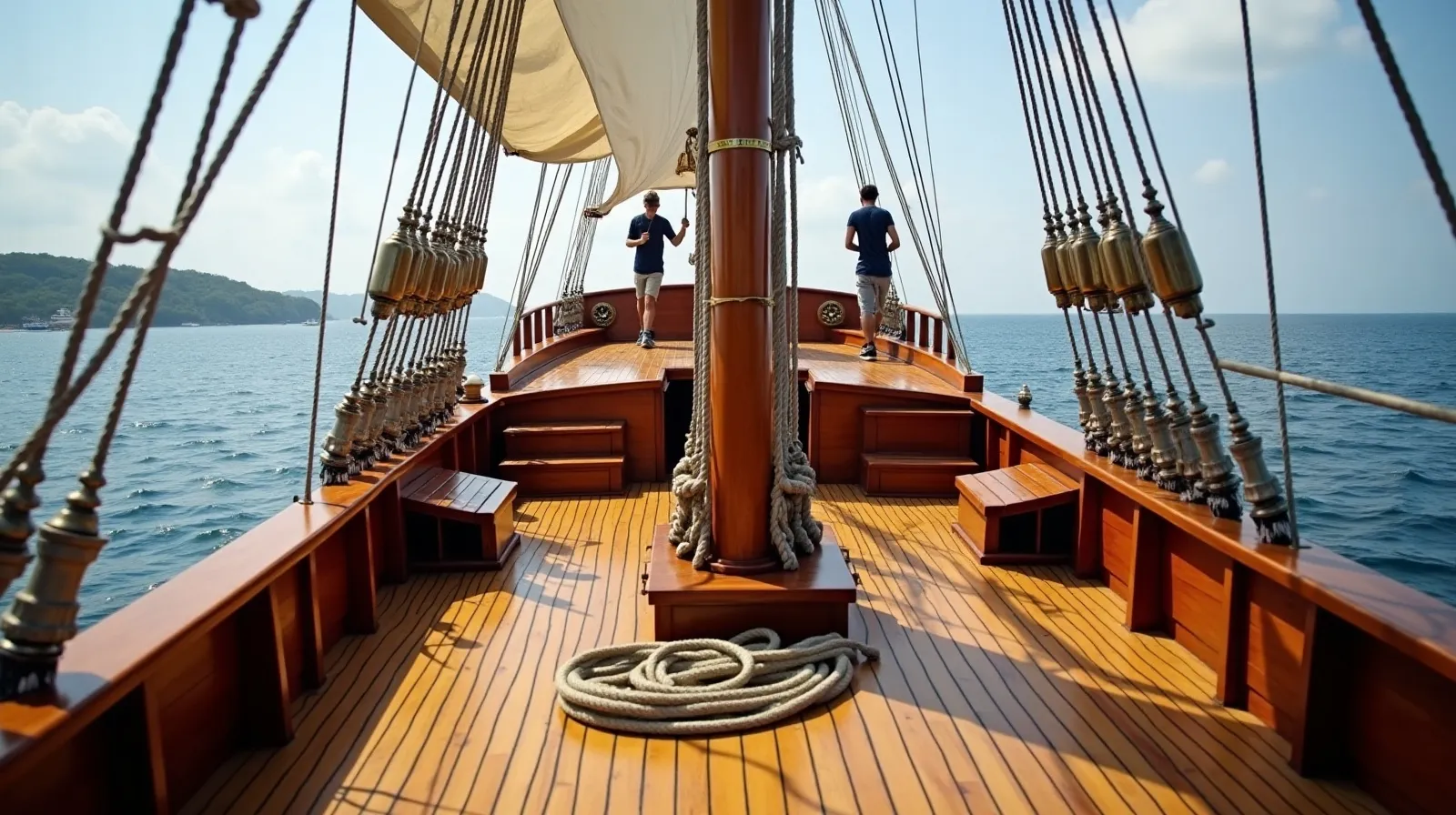
Several hundred phinisi now charter in Indonesian waters, and the spread between the best and the rest is wider than in any other vessel class in the country — because these are hand-built wooden ships whose quality depends on the yard, the refit ledger and the operating culture more than on the brochure. This is the charter guest’s guide to telling the top tier apart, building on the class overview in the boat types comparison hub.
Build pedigree: where the hull was born
Nearly every true phinisi begins in South Sulawesi — the Konjo shipwrights of Bulukumba (Tanjung Bira and Ara villages) build the overwhelming majority, laying ironwood keels and teak planking by eye and adze as their families have for generations. Top-tier charter conversions pair that traditional hull with naval-architect oversight: proper ballasting, watertight bulkheads, engineered rigs. Ask where and when the hull was built and who engineered the conversion; a confident, specific answer is itself the credential.
The four separators
| Separator | Top tier | The rest |
|---|---|---|
| Refit ledger | Documented haul-outs every 1–2 years | “Recently renovated,” undated |
| Certification | Current flag survey, SOLAS-aligned kit, drilled crew | Minimum paper compliance |
| Crew culture | Career crews, named captain with route history | Seasonal rotation, anonymous |
| Service infrastructure | Preference-sheet galley, dive programme, cruise director | Cook plus deckhands |
Wooden ships forgive nothing structurally: the tropics work fastenings and seams continuously, so the refit ledger is the single most predictive document a charter guest can ask about.
Size classes and their use-cases
The market clusters in three charter classes. Boutique (20–30 m, 2–4 cabins): couples and small families, Komodo and Gili waters, USD 2,500–5,000 per day. Premium (30–45 m, 5–7 cabins): the archetypal group charter across all main regions, USD 5,000–12,000. Flagship (50 m+, 6–9 suites): villa-scale expedition cruising with 20-plus crew, USD 10,000–25,000 — the tier that competes with expedition ships in the Aqua Blu class comparison. Bigger is not better per se; it is a different trip.
Charter focus — and the ownership question
This guide is charter-only: how to recognise a superb phinisi for a week aboard. If the research has you admiring the breed enough to think about ownership, that is a different discipline — surveys, yards and market values — and the place to calibrate is current phinisi listings with prices rather than any charter brochure. For a week in the islands, the top tier identified above, matched to the right route through the route planner hub, is the version of the phinisi story most people actually want.
The refit ledger, decoded
Because the phinisi question always returns to maintenance, it is worth knowing what a healthy ledger actually contains. Annual or biennial haul-outs at a proper yard (Bali, Surabaya or the Sulawesi coast) with hull inspection, refastening where surveyed, antifouling and shaft work; a re-caulking cycle for decks and topsides on a three-to-five-year rhythm; rig inspections with standing rigging renewed on schedule rather than on failure; and engine-room records showing hours, services and the generator overhauls that hotel loads demand. Owners who run this discipline will show it unprompted — many publish refit summaries — and the correlation with everything else aboard (crew quality, safety culture, galley standards) is near-perfect. The inverse signal matters equally: a glamorous interior on an undocumented hull is the class’s classic trap, because joinery costs far less than structure and photographs better.
The certification layer completes the picture: current flag survey, safety equipment serviced in date, crew certificates aligned to the vessel’s licensed capacity, and — on the best boats — voluntary standards beyond the minimum: drills logged, oxygen and AED aboard, hull insurance disclosed. None of this is romantic; all of it is why the top tier’s weeks sell out a year ahead.
Practical due-diligence questions
- When was the last haul-out, where, and what was done?
- What is the re-caulking and rig-renewal cycle?
- May I see the current survey and insurance certificates?
- Who is the captain this season and how many seasons has he run this vessel?
- What is the licensed overnight capacity — and does the cabin count match it honestly?
- What did the vessel add or renew this year?
Six questions, one email, and the wide phinisi market resolves into its honest tiers — at which point choosing becomes the pleasure it should be.
The last word belongs to the breed itself: a top-tier phinisi under sail in trade-season light remains the single best argument for Indonesian chartering — a working piece of maritime civilisation that happens to carry guests. Choose the hull with the honest ledger and the tenured crew, and the schooner does the rest; it has been doing so on these seas for generations.
Quick answers
Where are the best phinisi built?
South Sulawesi — the Konjo shipwright villages of Bulukumba (Tanjung Bira, Ara) build nearly every true phinisi hull, with top charter conversions adding naval-architect engineering to the traditional build.
What should I check before chartering a phinisi?
The refit ledger (haul-outs every one to two years), current flag survey and safety kit, the captain’s named route history, and whether the galley cooks to a preference sheet.
How much does a top-tier phinisi charter cost?
Boutique boats run USD 2,500–5,000 per day, premium 30–45 m vessels USD 5,000–12,000, and flagship 50 m+ phinisi USD 10,000–25,000 whole-boat.
Related briefs
Continue with Cabin Dive Liveaboards in Indonesia and Sharing a Traditional Yacht Without Booking the Whole Boat.
Take the next step with a working desk. Message the Indonesia Yacht Charter desk on WhatsApp +62 811-3941-4563 or email [email protected] for routes, vessels and honest USD quotes within 48 hours.
Chart your Indonesian passage
Tell us your dates, group and the water you want under the keel. The desk replies on WhatsApp with routes, vessels and an honest USD quote.