Boat Types
Aqua Blu Alternatives: Comparable Expedition Yachts in Indonesian Waters
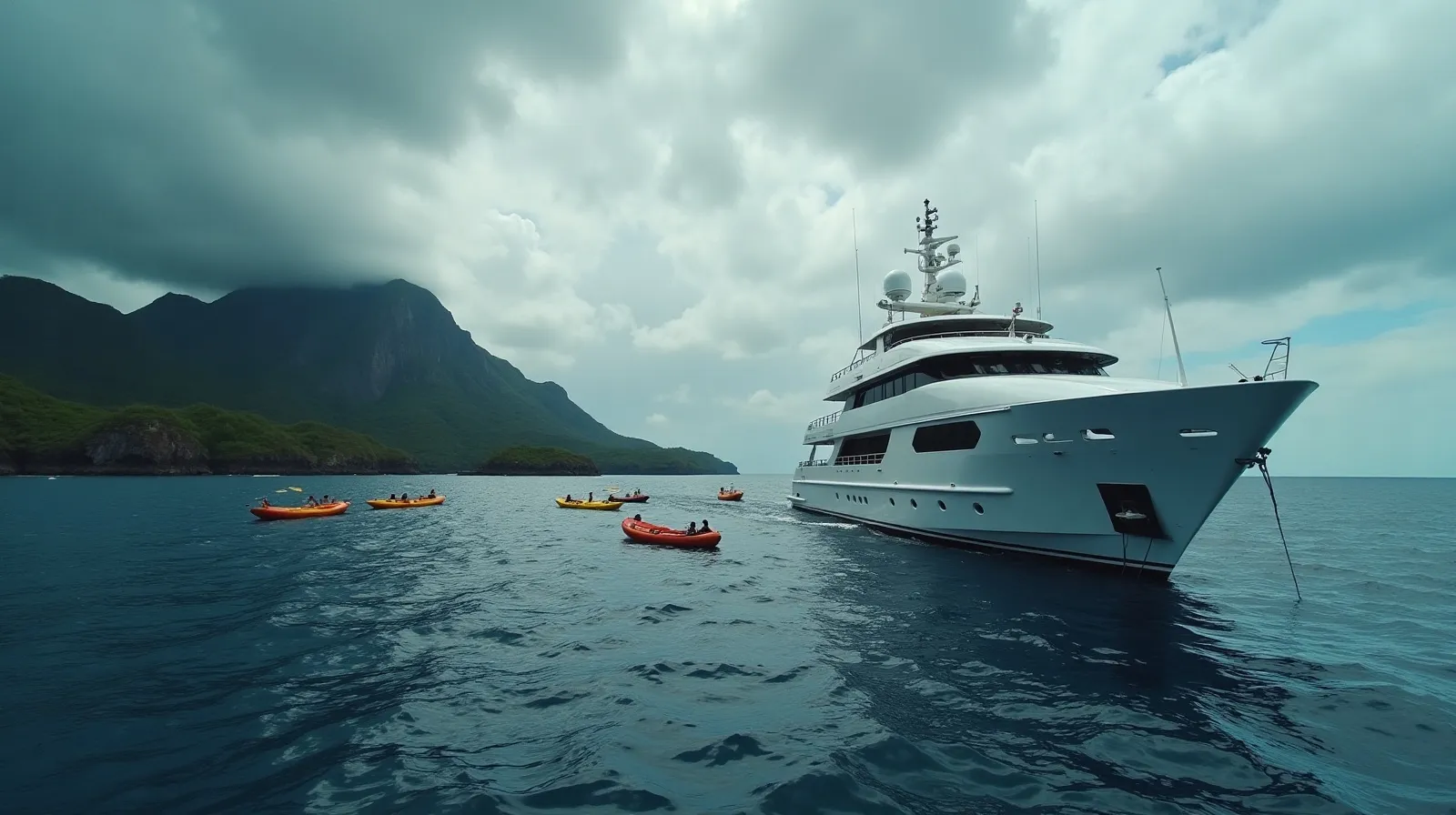
Aqua Blu — Aqua Expeditions’ 60-metre former British naval explorer — defined a category in Indonesian cruising: the long-range, hotel-grade expedition ship running scheduled Komodo–Raja Ampat seasons. It is a benchmark worth respecting, and it is also frequently booked out or beyond a party’s budget shape. This guide maps what actually defines the class and where comparable experiences exist across the Indonesian fleet, using the class framework from the boat types comparison guide.
What defines the Aqua Blu class
Four attributes, not the brand: genuine long-range capability (weeks of autonomy, stabilised steel hull); hotel-grade service depth (1:1-plus crew ratios, destination-grade chefs); a scheduled-departure model where cabins sell individually like an expedition cruise; and serious expedition infrastructure — multiple tenders, dive programme, naturalist guides. Any vessel matching those four is playing the same game, whatever its length or flag.
The comparable field, by band
| Band | What it looks like | Indicative pricing |
|---|---|---|
| Steel expedition ships | 50 m+ conversions, scheduled seasons, per-cabin sales | USD 1,200–2,500/cabin/night |
| Flagship luxury phinisi | 50–65 m wooden schooners, whole-boat or cabin, full expedition crew | USD 10,000–25,000/day whole-boat |
| Premium expedition phinisi | 30–45 m, long-range, dive-complete | USD 5,000–12,000/day |
| Expedition motor yachts | Fast steel/aluminium, smaller groups | USD 6,000–16,000/day |
The honest trade-offs: steel ships give stabilised comfort on open crossings and per-cabin flexibility; flagship phinisi give the archipelago’s own architecture, sail romance and larger deck-space-per-guest; motor yachts give speed between regions. Nothing in the field dominates on all three axes — which is why the route should choose the vessel.
Matching alternative to route
For the classic Komodo–Raja Ampat seasonal arc, flagship phinisi and steel ships are equally proven; book whichever calendar fits, twelve months ahead for peak windows. For the Banda crossing and the far-eastern legs, weight autonomy and stabilisation — steel ships and the largest phinisi carry the sea state best, per the route demands in the route planner’s expedition table guide. For families or private groups of eight to fourteen, whole-boat phinisi beat per-cabin ships on privacy at comparable total spend.
Booking reality
The expedition tier is thin — a few dozen vessels across all bands — and sells out season-shaped: Raja Ampat’s October–April fills first, Komodo’s July–August next. Enquire with dates and guest count, be flexible on vessel before route, and treat this tier’s pricing as inclusive-leaning (most operate closer to all-in models than base-plus-APA; the difference is explained in the all-inclusive guide). The class Aqua Blu proved out now has genuine depth — the itinerary matters more than the hull’s fame.
Decision factors the brochures skip
Four quieter factors separate the class’s options once the brochures blur together. Stabilisation: steel ships carry active stabilisers that matter genuinely on the Banda and open-Papua crossings; the largest phinisi answer with hull mass and sail-steadying, which handles trade-season seas but not beam swell at anchor — route-dependent, not absolute. Charter model: scheduled per-cabin departures mean fixed dates and shipmates; whole-boat charter means your calendar and your table — the same trade as everywhere, at five times the stakes. Guide depth: the class’s real luxury is its specialists — cruise directors who have run the route for a decade, dive teams with naturalist training — and it varies more between operators than any cabin finish does. And season allocation: the thin fleet concentrates where demand is (Komodo mid-year, Raja Ampat in the northwest season), so the itinerary you want determines the vessels actually available more than preference does.
The pricing footnote worth knowing: this tier’s quotes lean all-inclusive, but “all” varies — dive programmes, premium pours and transfer flights move in and out of inclusion between operators, so the comparison discipline from the standard market applies doubled here.
Practical shortlist questions
- Which exact weeks is the vessel in my target region, and how firm is that season plan?
- Per-cabin or whole-boat for my party size — and where does the arithmetic flip?
- Who leads the expedition programme, and how long have they run this route?
- What does the inclusion list say about diving, drinks and internal flights?
- What is the stabilisation story for my route’s open-water legs?
- How far out do my target dates realistically sell — and is a hold possible while flights firm up?
The class Aqua Blu defined is now a genuine market: benchmark respected, alternatives real, and the deciding factor — as ever in Indonesia — is matching the vessel to the route and season rather than to the fame of any single name.
Quick answers
What kind of ship is Aqua Blu?
A 60-metre former British naval explorer converted to a luxury expedition ship, running scheduled Komodo and Raja Ampat seasons with per-cabin bookings and hotel-grade service.
What are the closest alternatives to Aqua Blu in Indonesia?
Steel expedition conversions with scheduled seasons, flagship 50 m+ luxury phinisi, and premium expedition phinisi or motor yachts — matched by long-range capability, crew depth and dive infrastructure rather than brand.
Is a phinisi comparable to an expedition ship?
Flagship phinisi match the class on service, range and expedition programme while adding traditional architecture and bigger deck space per guest; steel ships win on stabilised open-water comfort and per-cabin flexibility.
Related briefs
Continue with The Best Luxury Boats in Indonesia and What Separates the Top Tier.
Take the next step with a working desk. Message the Indonesia Yacht Charter desk on WhatsApp +62 811-3941-4563 or email [email protected] for routes, vessels and honest USD quotes within 48 hours.
Chart your Indonesian passage
Tell us your dates, group and the water you want under the keel. The desk replies on WhatsApp with routes, vessels and an honest USD quote.