
Routes & Itineraries
Bespoke Yacht Itineraries in Indonesia: 7, 10 and 14-Day Route Frameworks
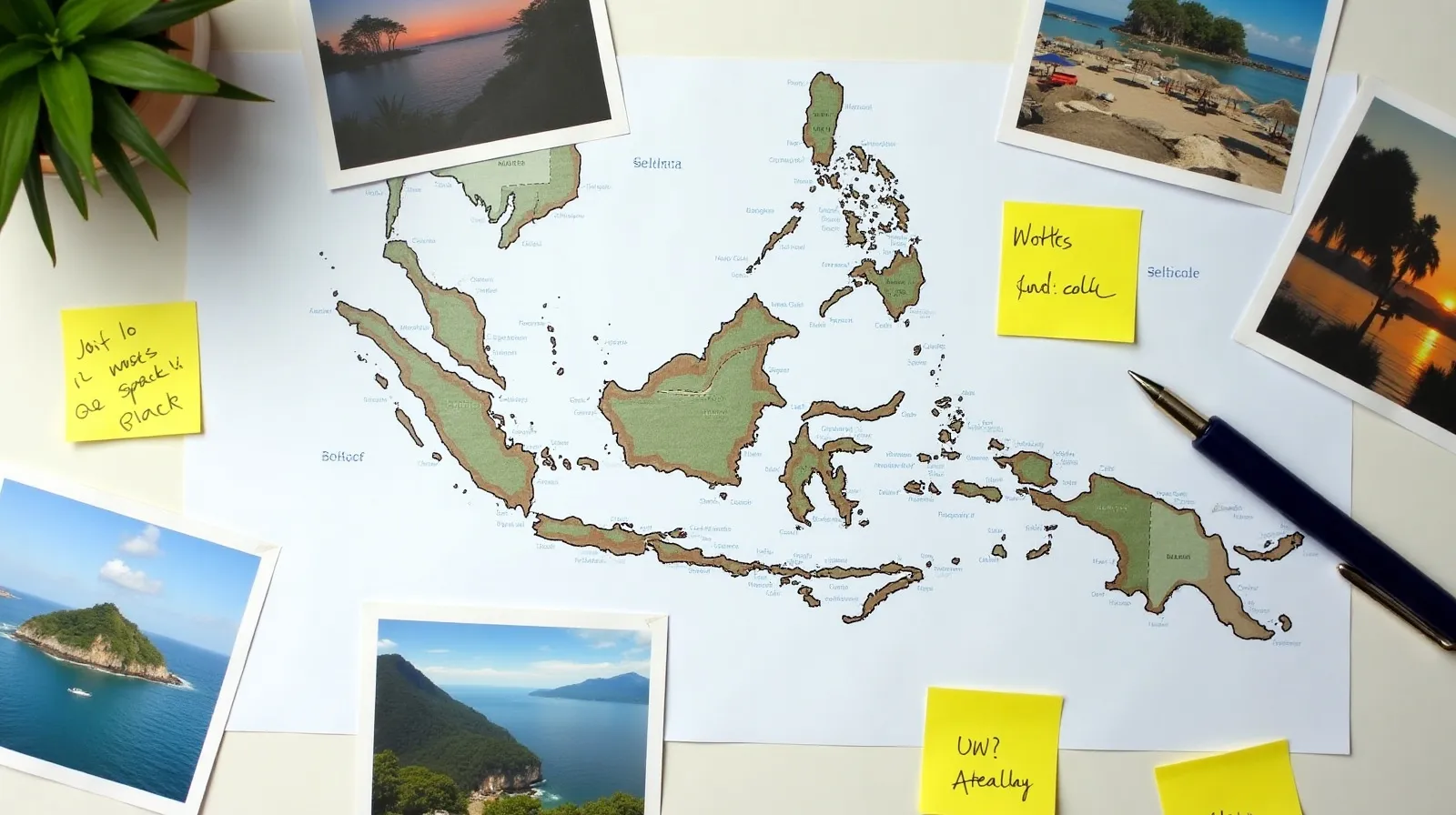
A bespoke Indonesian itinerary is not a longer menu — it is a design process with three inputs: the vessel’s range, the season’s map, and your party’s real interests ranked honestly. Get those three in order and the archipelago rewards you with routes no brochure sells; get them backwards and you fight monsoons for photographs. Here is the working method, with three duration frameworks you can hand to a designer — or refine yourself against the route planner’s region guide.
The design method: vessel, season, interest
Order matters. Vessel first, because range and speed define the possible: a catamaran draws a different map than an expedition phinisi. Season second, because the two-monsoon calendar opens and closes whole regions — no design survives the wrong window. Interests third and specifically ranked: “diving, then culture, then beaches” produces a different route than the reverse. Designers who ask for that ranking before showing routes are doing it right; the commercial version of this service — from enquiry to a signed-off custom route — is what our tailor-made charter design desk exists for.
The 7-day framework: one region, done properly
Seven days buys one region without compromise. The template: fly into the regional gateway, two days of short-hop shakedown, three days at the region’s core sites, one flex day the captain spends on the week’s best conditions, final morning at anchor near the port. Worked example (dry season): Labuan Bajo in, north Komodo shakedown, park core, flex day for mantas or a dawn trek, out. The same skeleton fits Wakatobi, the Gilis or Misool — swap the nouns, keep the rhythm.
The 10-day framework: region plus connector
Ten days adds a connecting passage and a second act: region A (four days), an overnight connector leg, region B (four days), buffer day. Worked example: Komodo’s core, the Flores north coast run, Alor’s Pantar Strait, out via Kalabahi. The connector is not dead time — it is where the trip earns its expedition feel: a night passage, a village morning, an anchorage nobody photographs. Ten days is also where one-way routing starts beating loops, since airports bracket the line.
The 14-day framework: the arc
Fourteen days builds a true arc across three acts — the shape of the classic Bali–Komodo–Flores line or the Sorong–Misool–Triton run: act one easy (settle the party), act two remote (the expedition heart), act three iconic (finish on the marquee sites), with two flex days distributed by the captain. This is the duration where bespoke design pays most, because the permutations multiply and so do the mistakes a good designer prevents — fuel geography, park permits, guest-rotation airports all covered in one plan.
Common design mistakes — and their fixes
The same five mistakes surface in most self-designed itineraries, and each has a clean fix. Too many regions: the map’s scale tempts three-region weeks that spend half their days repositioning — fix by the one-region-per-week rule and flights between regions. Season denial: forcing Raja Ampat into July or the Banda Sea into February because the dates exist — fix by letting dates choose regions, full stop. No flex day: a seven-day plan with seven committed days has no answer for weather — fix with one captain’s-choice day per week, which usually becomes the trip’s best. Passage blindness: treating 200 nm as a line on a map rather than a night at sea — fix by counting overnight legs honestly and matching them to the party’s appetite. And interest averaging: designing for the group’s least common denominator until nobody’s first choice survives — fix with the ranked-interest method, where the top interest gets the itinerary’s spine and others get days, not vetoes.
A sixth, subtler error belongs to experienced charterers: over-design. The best Indonesian itineraries specify the skeleton — regions, boundaries, non-negotiables — and leave the daily flesh to the captain’s read of conditions. The archipelago rewards frameworks over scripts, which is precisely why this page teaches frameworks.
Practical design inputs to gather first
- Fixed dates and any immovable events inside them (anniversary dinner, guest arrivals).
- Party manifest: ages, mobility, swimmers vs divers, appetite for night passages.
- Ranked interests — genuinely ranked, one through five, argued out before the designer sees them.
- Budget shape: whole-boat band plus APA tolerance, stated early to keep options honest.
- Airport preferences: which change-over cities work for the party’s onward travel.
- Prior charters: what worked and what chafed — the fastest calibration a designer can get.
Bring those inputs to any competent design desk and the frameworks above turn into a signed route in two conversations — the entire bespoke process, demystified.
Quick answers
How far ahead should a bespoke itinerary be designed?
Six to twelve months for peak seasons — vessel calendars fill first, and the best designs start from the boat’s real range and the season’s map rather than a wish list.
What information does an itinerary designer need?
Dates, party size, and interests ranked honestly — then vessel and season constraints shape the route. A designer who asks for the ranking before showing routes is following the right method.
Is a 7-day charter enough for a custom route?
Yes — for one region done properly: two shakedown days, three core days, a flex day and an easy final morning. Multi-region arcs start at ten days.
Related briefs
Continue with Cabin Expedition Yachts and Route-Planning Notes.
Want this route priced for your dates? Message the Indonesia Yacht Charter desk on WhatsApp +62 811-3941-4563 or email [email protected] for routes, vessels and honest USD quotes within 48 hours.
Chart your Indonesian passage
Tell us your dates, group and the water you want under the keel. The desk replies on WhatsApp with routes, vessels and an honest USD quote.